
Jacob Moskovitz Would Like to Keep a Little Mystery
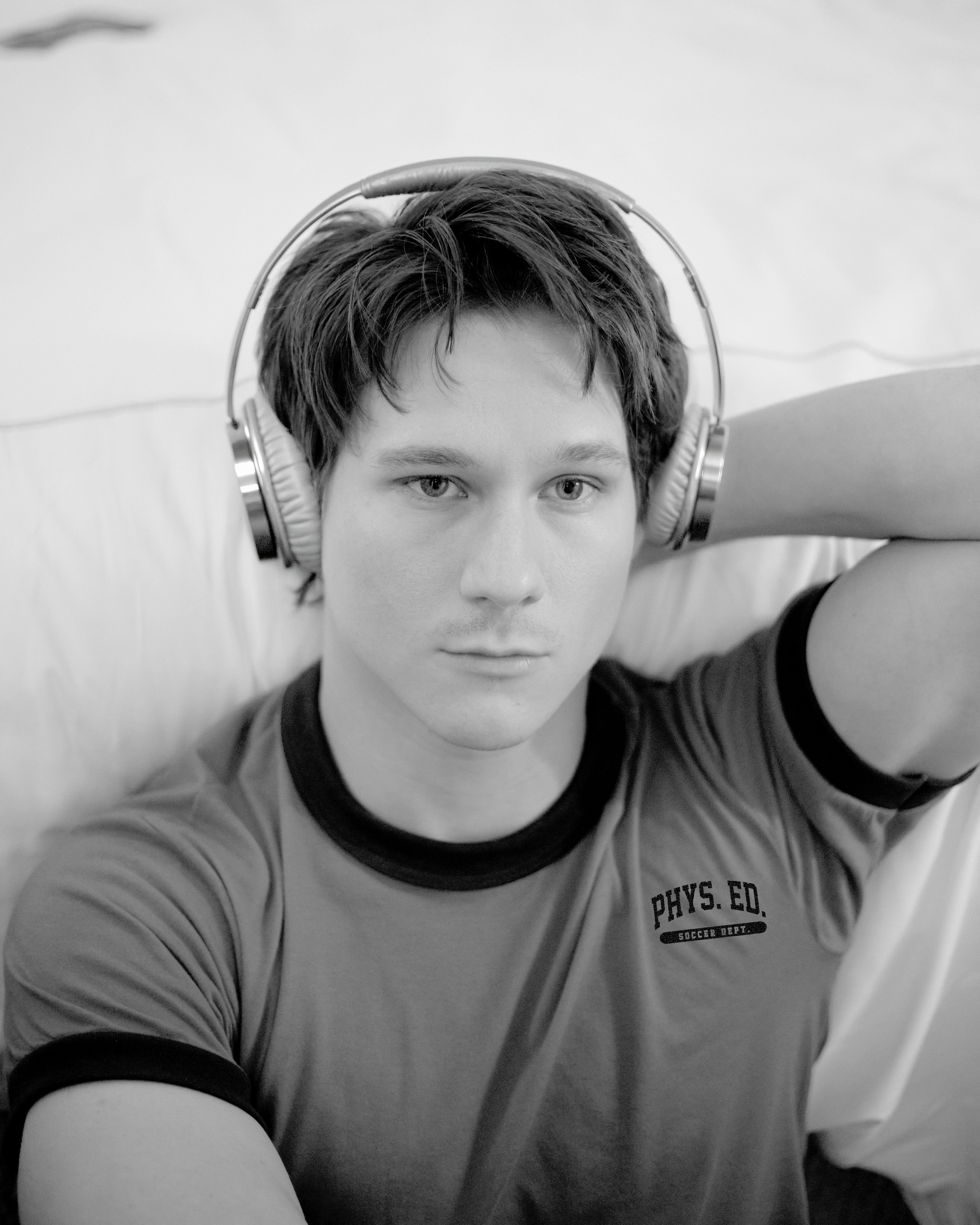
The Elle actor talks first impressions, wanting to be cool, finding theater, and adjusting to life on the other side of a breakout role.
There is something funny about becoming more recognizable at the same time you are still getting used to the idea of being a working actor.
By the time Jacob Moskovitz talks to American Studies, it has been a little over a month since Elle arrived on Prime Video. The Legally Blonde prequel premiered July 1 and logged 499 million minutes of viewing in its first five days, then matched that number again the following week. Moskovitz, who plays Miles, has spent much of that month doing the other half of becoming a young actor on a new hit show: premieres, interviews, red carpets, clips, and watching pieces of himself begin circulating online.
People have opinions about Miles. They make GIFs of him. Sometimes they get mad at Jacob for things Miles has done.
“I remember at the New York premiere, at the end of episode two, you find out that Miles has been dating Shannon this whole time that he’s sort of been growing this friendship with Elle that has a spark to it,” he says. “Right after people saw that, they were like, ‘How could you be dating someone else? How dare you?’ And I was like, well, I’m not dating someone else. This is my guy.”
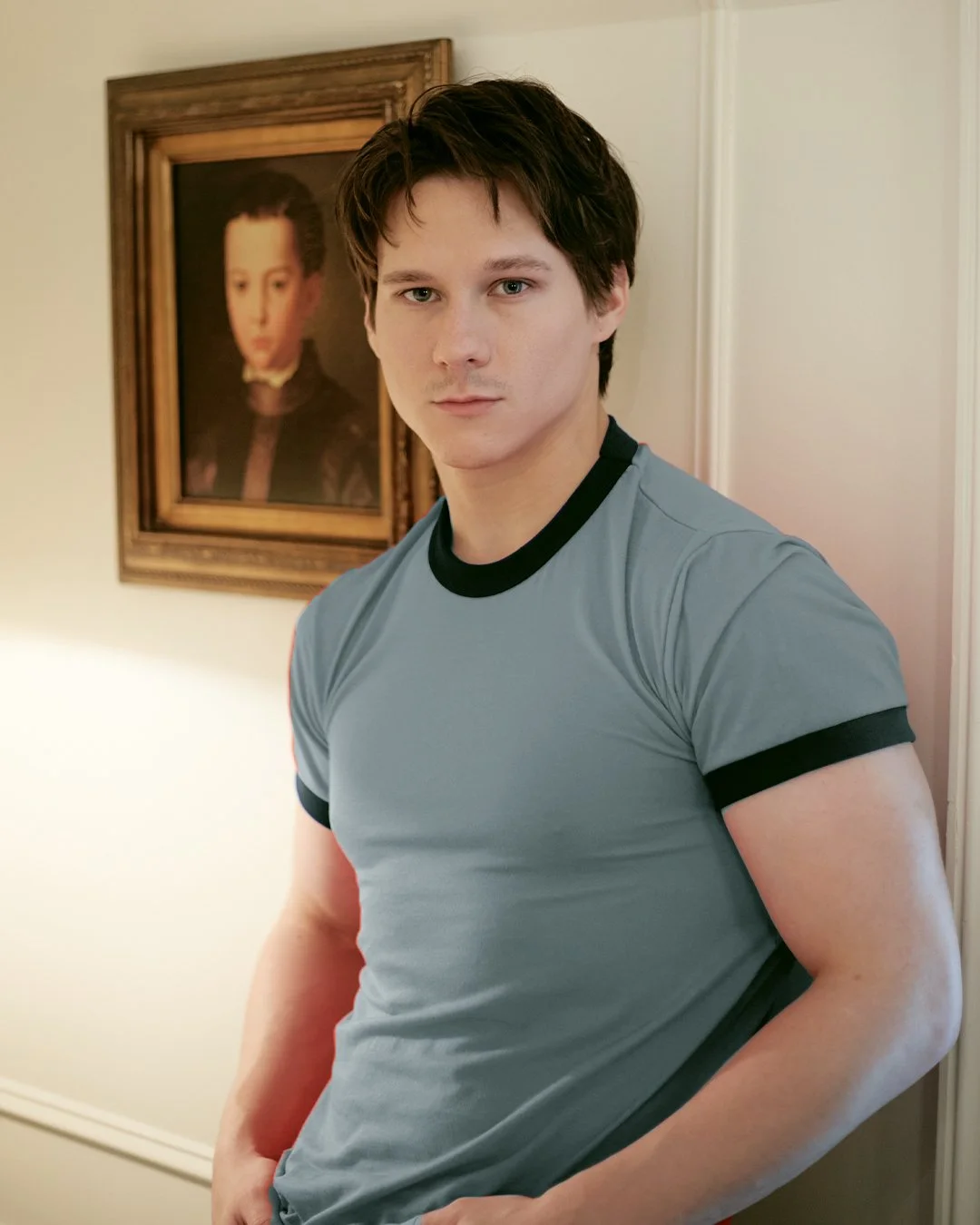
He laughs about it. Mostly.
Being perceived, Moskovitz has discovered, is strange.
That feels especially fitting for a show so interested in what happens when teenagers decide they already understand one another. High school, he says, is a “pressure cooker,” one of the first places where the comfortable assumptions you’ve had about yourself and everyone around you begin falling apart.
“It’s the first time you fall in love,” Moskovitz says. “It’s the first time you feel shame potentially, in a way that feels like it has consequences. You feel triumph potentially as an individual. It’s the first time you kind of realize your parents and adults are not what you thought they were. They’re not superheroes. They’re not all capable.”
In other words: a lot happens between algebra and graduation.
“I think it’s just an incredibly ripe time,” he says. “And it’s a pressure cooker, and I think that makes it great drama, great comedy, and a great time to explore.”
Moskovitz remembers his own teenage years as similarly experimental. Before theater really took over, there were clubs, student government and a serious preoccupation with being cool.
“I really, really wanted to be cool,” he says, laughing.
For a semester, there was even football.
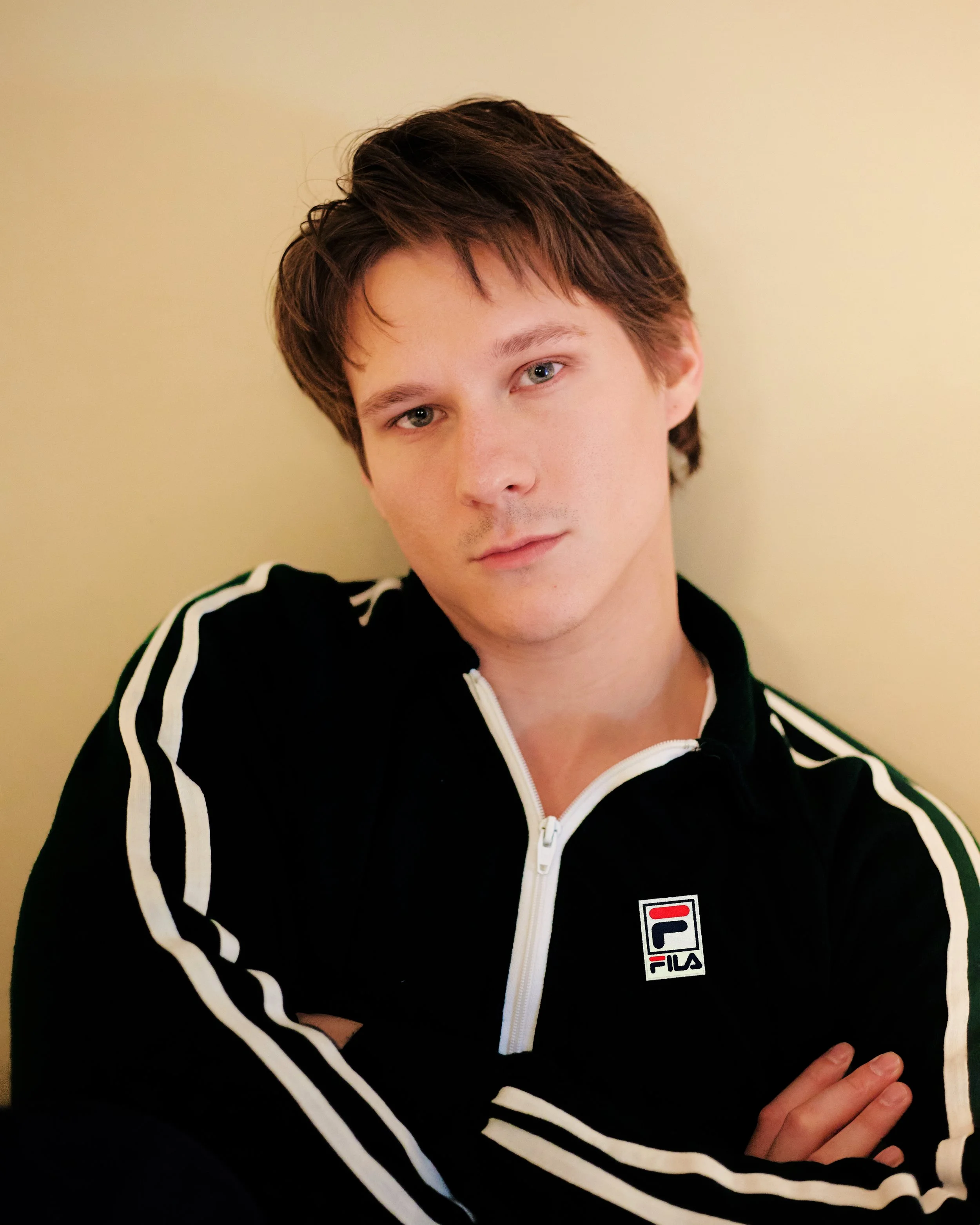
He was fast, which helped. Getting hit was less appealing. Moskovitz played running back and, in perhaps the clearest early indication that his destiny was somewhere other than the football field, created a Quizlet to memorize the team’s plays.
“I made a Quizlet for all of the football plays,” he says. “I should have known then.”
Eventually, he stopped trying quite so hard to find the correct version of himself. His high school theater program gave him somewhere else to put all that energy.
“I eventually found my place with the theater kids,” he says, “which is what I am at heart.”
Looking back at high school now, the embarrassment of trying things has softened into affection for the fact that he tried them at all. Moskovitz uses the word “failure” frequently, though not in the catastrophic way adults tend to use it.
“It’s a really valuable word to me,” he says. “It’s not terminal failure, but sort of these little checkpoints of, that didn’t quite work. And it brings you closer to yourself.”
That idea became useful when approaching Miles, too.
On paper, Moskovitz could see the familiar shape of the character: the jock, the nice guy, the version of masculinity we have seen enough times to know before he opens his mouth. Instead of leaning into it, Moskovitz found himself resisting it.
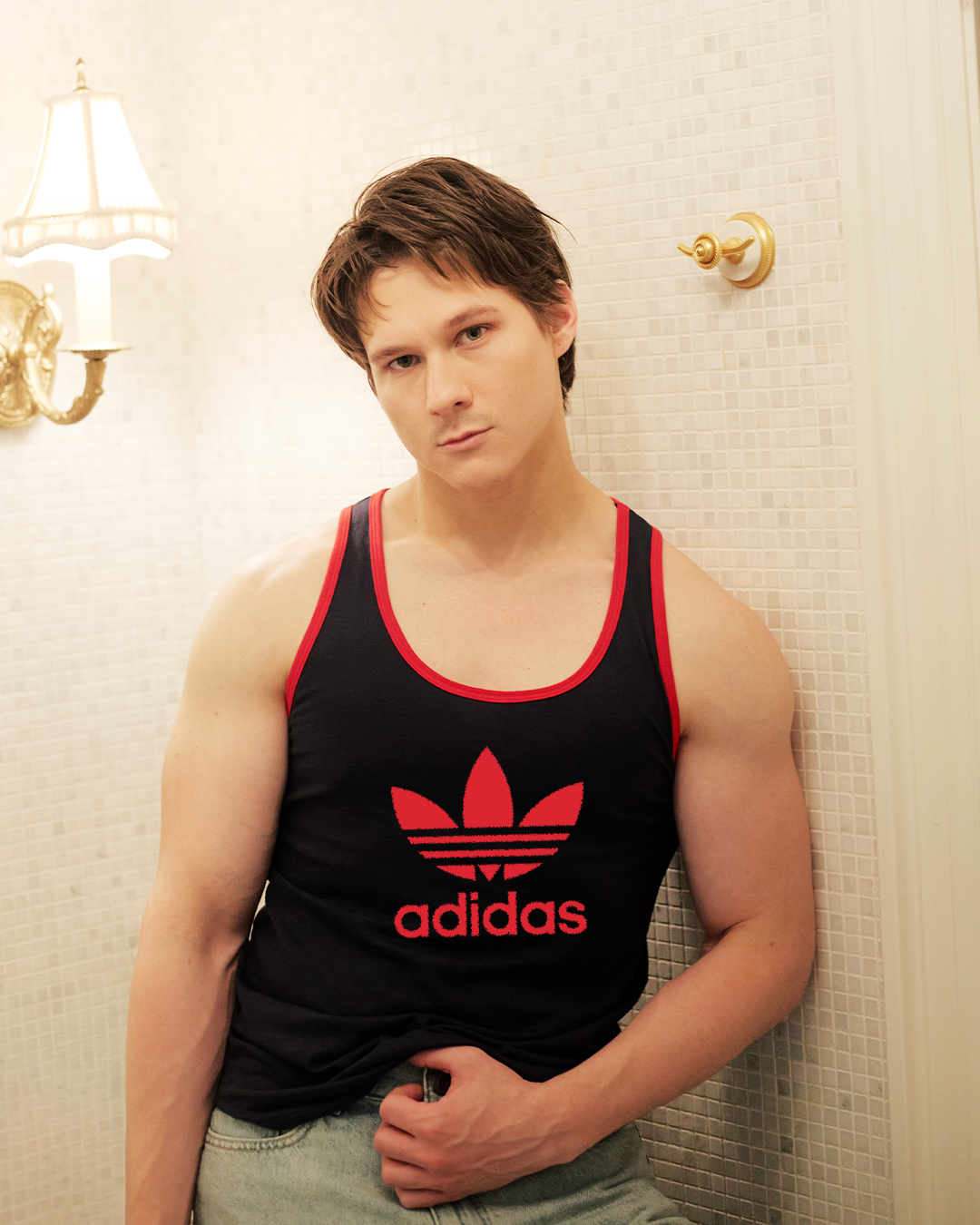
“There were times where the script is asking you to sort of be this really, not macho, but archetypically masculine, and fulfill that image,” he says. “The only way that I could make sense of that is that he’s giving a performance of who he thinks he needs to be in the world.”
For Moskovitz, Miles becomes more interesting when that performance starts to crack. He has spent his life becoming what other people expect of him, and has become quite good at it.
“That’s honorable, because he has done a really good job at it,” he says. “But it’s not authentic.”
Then Miles meets Elle.
“She is authentic,” Moskovitz says. “It really shocks him, and he realizes that he’s maybe been living a sort of lie. And then he stumbles over himself the entire first season trying to self-correct.”
The stumbling is important. Moskovitz doesn’t seem particularly interested in characters, or people, who arrive fully formed.
“He’s just failing forward,” he says. “Mistake after mistake after mistake. It’s never quite right, but very well-intentioned.”
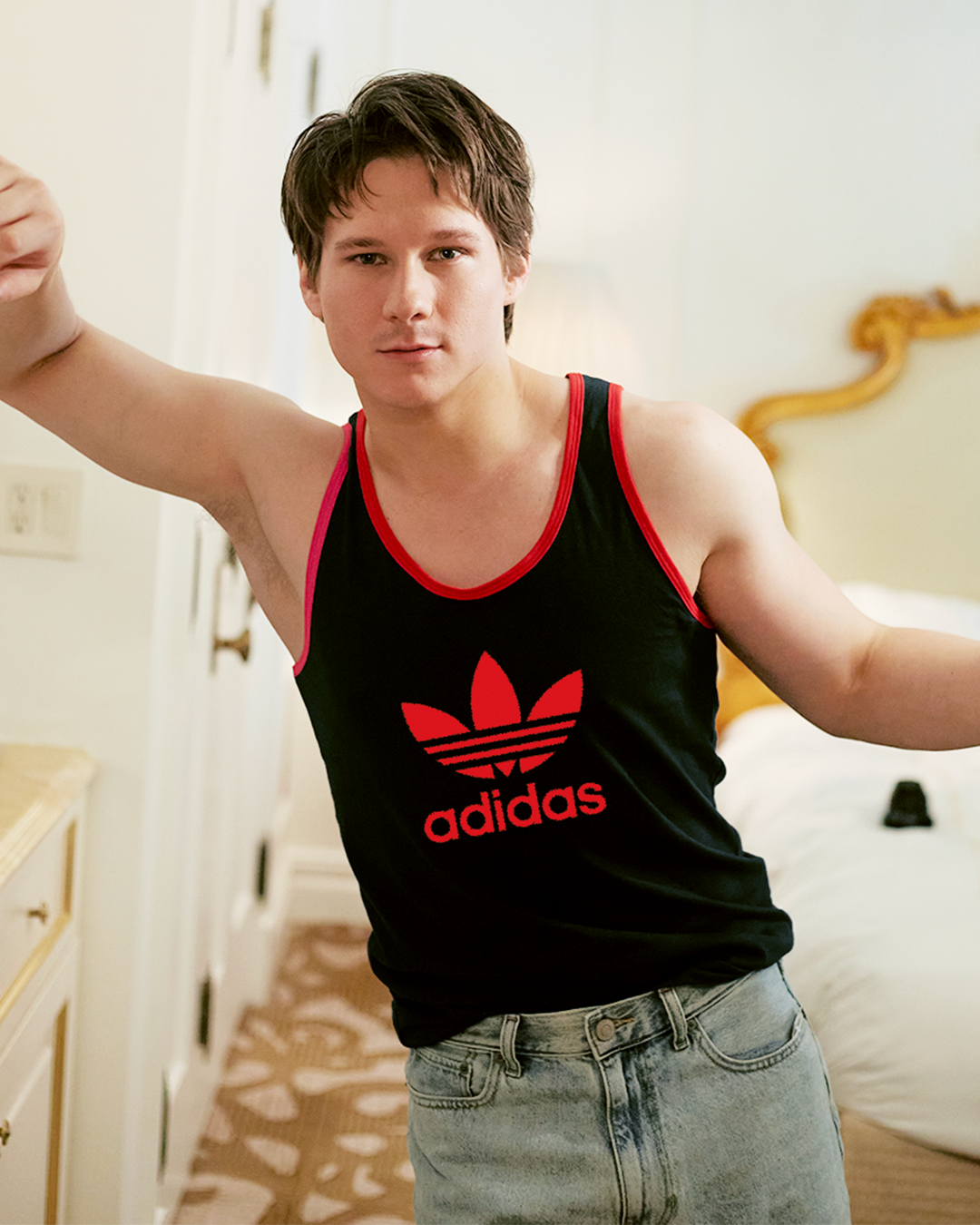
There is some obvious overlap here with the way Moskovitz talks about his own adolescence: trying things, getting them wrong, adjusting, trying something else. High school felt tumultuous while he was inside of it. Looking back, he’s more generous toward those old versions of himself.
“There’s just a certain fondness that I have in retrospect because of how varied the whole thing was and how many different versions of myself I was trying to explore,” he says. “It can feel awkward or uncomfortable or cringey even. But when you look back and just be like, I tried a lot of stuff, that was probably valuable.”
Moskovitz grew up moving between homes in New Jersey after his parents divorced, which meant he never became much of a collector. He was often living out of a bag. The childhood bedroom he remembers best was aggressively Western: rope around the crown molding, lassos, cowboy decoration.
Then there was a car poster.
“It was so boy,” he says. “So hopelessly boy.”
He looks back at it now and laughs at the collision of aesthetics. “These worlds do not meld at all.”
Books were the exception. Those traveled with him. Harry Potter, Percy Jackson, Rick Riordan’s mythology books, The Maze Runner, The Giver, Brave New World, Fahrenheit 451. Dystopias especially.
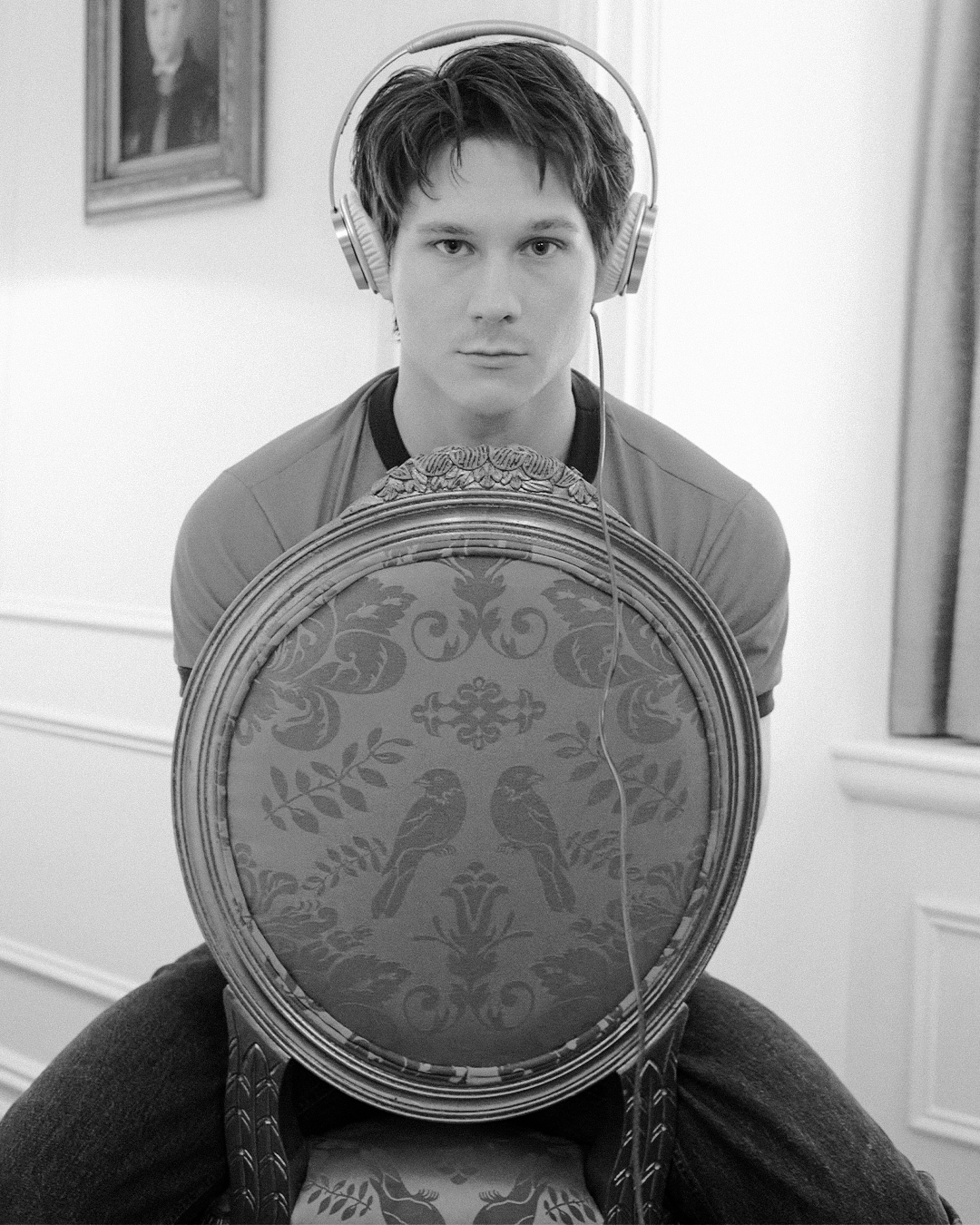
As an adult, he’s still reading, although he describes himself as being in his “biography era” at the moment. He recently moved into a new apartment and has been collecting small things while traveling for press, objects for his desk or library that make the place feel like his.
It is a funny impulse at a moment when so much of his public life exists somewhere less tangible. Clips. Red carpets. TikToks. GIFs. Interviews. Tiny pieces of a person traveling independently through the internet.
Moskovitz came to acting partly through obsessing over performances from the 1950s and actors who changed how screen acting looked and felt. Good Will Hunting later became one of the films that made the possibility of doing it himself feel especially vivid.
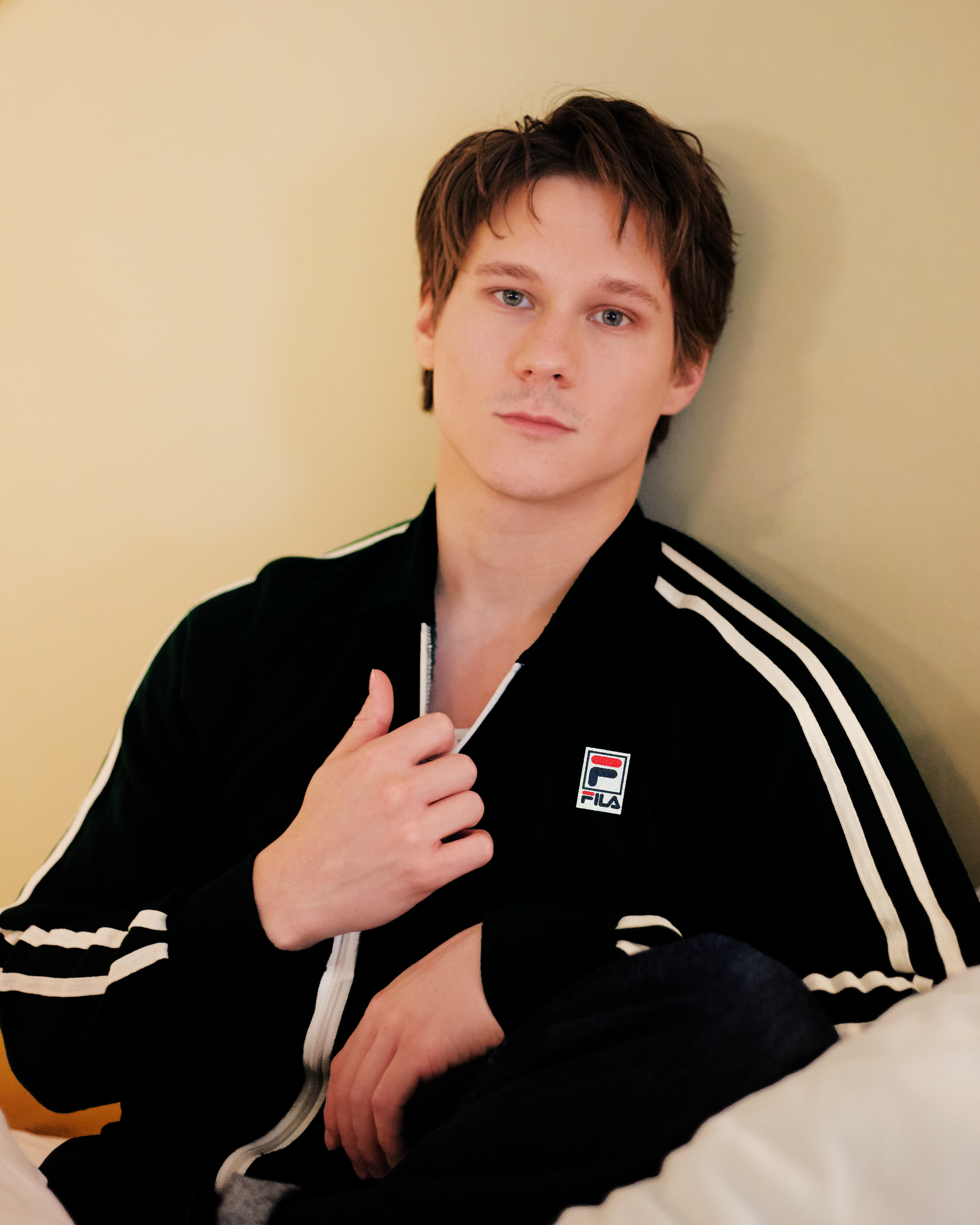
“I remember watching it for the first time and just feeling a connection to it and wanting to make stuff like that,” he says of Matt Damon and Robin Williams’ performances.
That older idea of movie stardom came with something Moskovitz finds increasingly hard to come by now: distance.
“I definitely am nostalgic for a sense of mystery,” he says.
He understands the reality of promoting a show. More people seeing the work is the point. But he is also aware that every interview, clip and red carpet gives people another small piece with which to decide who he is.
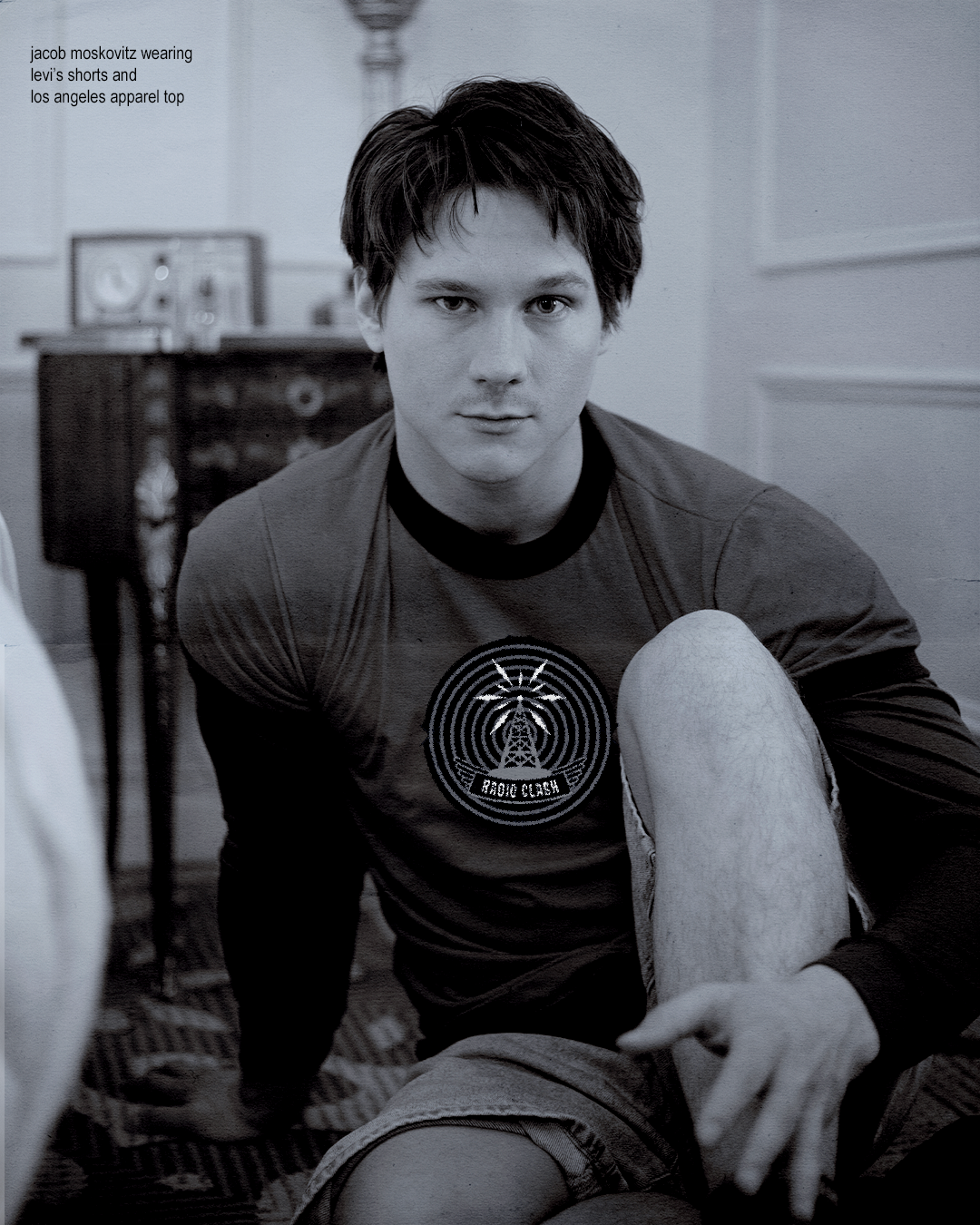
“How much are you willing to give?” he says. “I think we’re very quick to define each other by short impressions. We’re really eager to sort of understand something.”
It brings the conversation back to the same thing Moskovitz sees in Miles, and maybe in high school generally. People are rarely as simple as the first version you get.
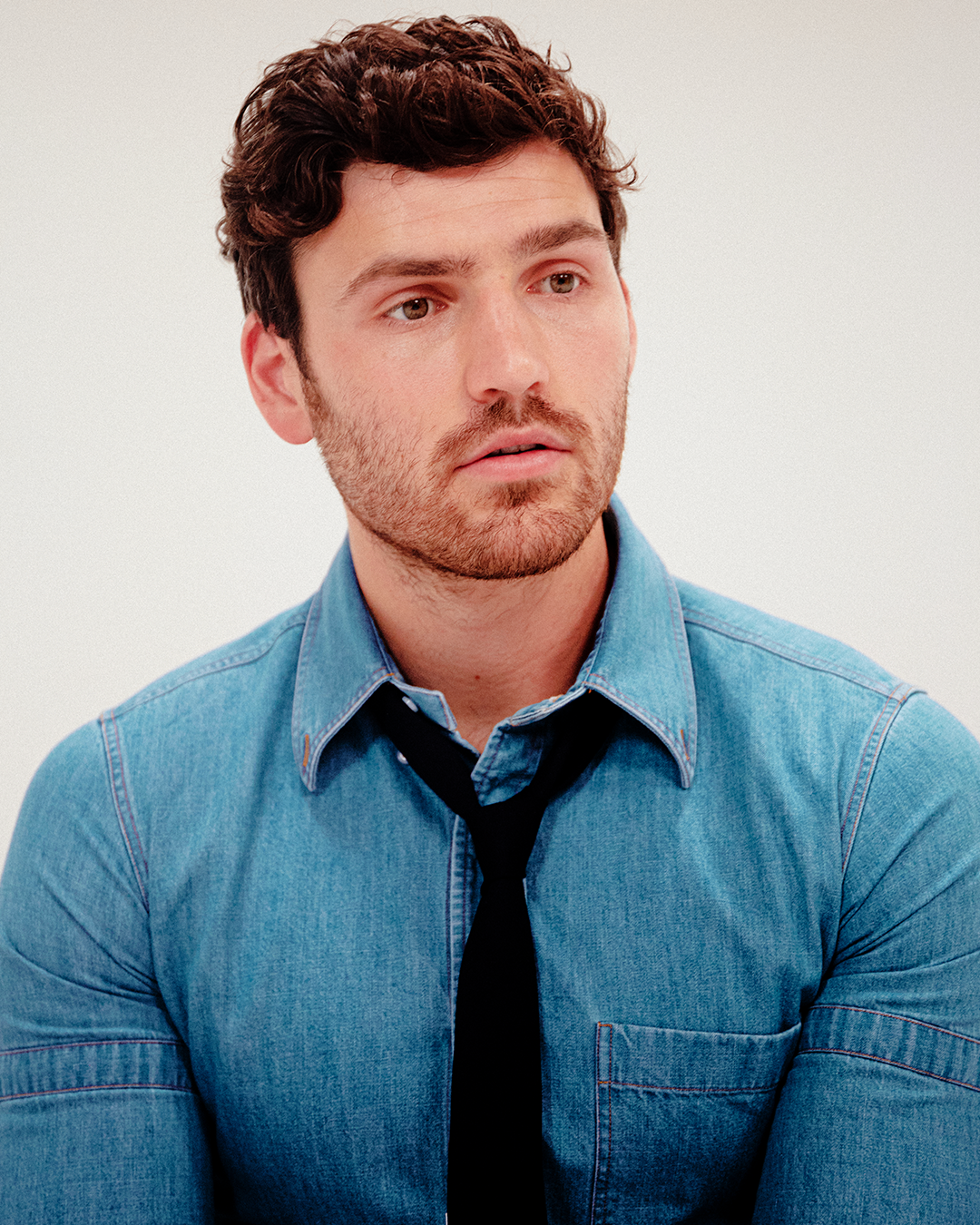
“I think there are so many things that we misunderstand about each other at first glance,” he says. “We will be so much more surprised and delighted by each other if we gave each other the opportunity to reveal ourselves more.”
For Moskovitz, that process is happening in public now.
He once imagined parts of the life he has. He wanted New York. He wanted a theater community. He wanted friendships that felt like the ones he has now. Becoming a professional actor was the part he couldn’t quite picture.
“I had no concept that that was possible,” he says. “I was just obsessed with it in high school, and that sort of brought me here 10 years later.”
A month into Elle being out in the world, he is still catching up with the fact that it is possible.
“It feels really both surprising and aligned.”
The Elle Actor Talks Life On The Other Side Of A Breakout Role.