The star of Netflix's The Body on finding her people, making peace with growing up, and learning that the right path is her own.
Words, Photography & Styling by Dio Anthony Hair by SherriAnn Cole, Makeup by Andre Sarmiento.
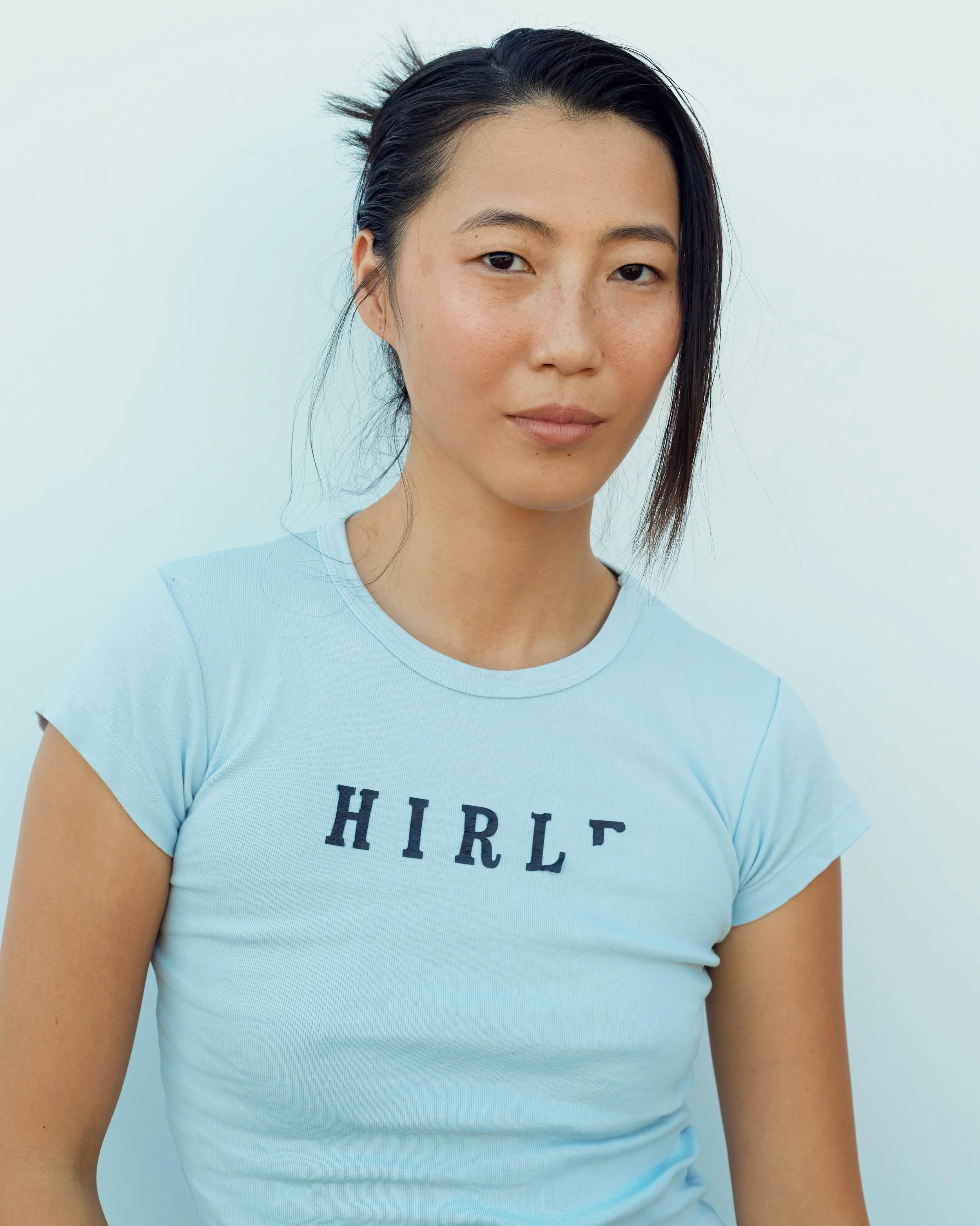
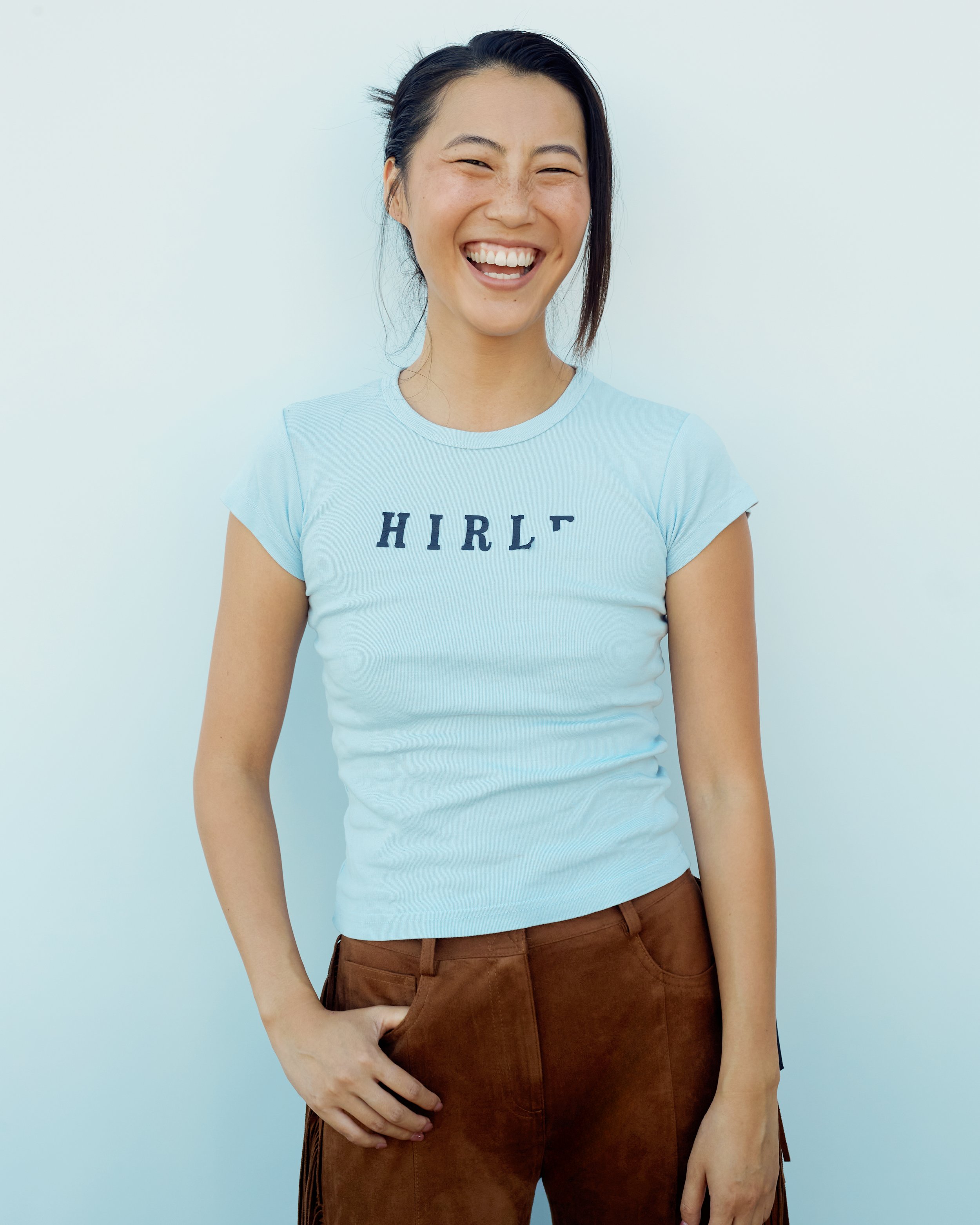
AT some point during my photo shoot with Shirley Chen, I realized that several minutes had passed without either of us taking much notice of the camera in my hands. We were talking. About what, exactly, I couldn't tell you now, but it happened more than once. We'd get caught up in a conversation, remember there were pictures to take, and then, before long, find ourselves talking again. I liked that about her.
I'd first met Shirley the day before, at a press junket for Netflix's The Body, where she was seated alongside her castmates, answering questions about the series. We had all of ten minutes together, but she struck me as someone who could make a stranger feel like less of one. The following day, in the considerably more intimate setting of a photo shoot, that impression only grew. She was warm, attentive, and easy to talk to, with a smile that seemed to arrive as easy as her laughter. By the time we caught up again for this story, over the telephone, I was really looking forward to hearing what she had to say.
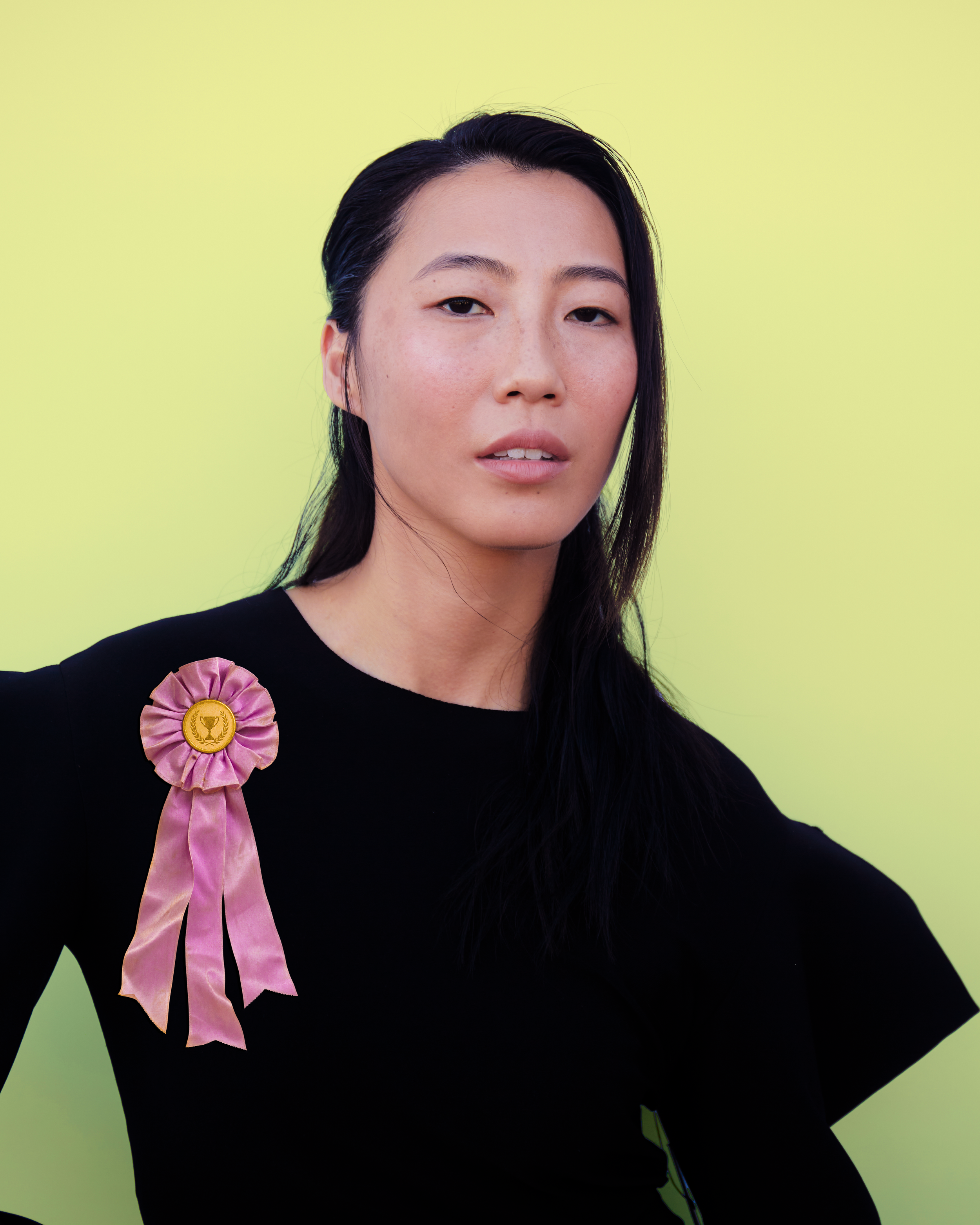
Dress: Norma Kamali, Ribbon: Vintage
I have a particular affection for telephone calls. There's something about being on the other end of a line, without a camera pointed at you or a screen demanding your attention, that makes conversation feel a little more natural. I like to say that it retains the magic we carry as humans. Shirley, it turns out, is of the same opinion. She loves phone calls, though voice notes, curiously, stress her out. She tells me about Danny Madden, the director of her first feature, Beast Beast, who has become something of a confidant since meeting her in high school. He's been there for the college-advice calls, the what-do-I-do-after-graduation calls, and everything in between. Another friend, Ava, reminds her of the song "Bless the Telephone," about the simple happiness of hearing from someone you love.
It's a fitting way to begin a conversation with someone for whom friendship seems to occupy such an enormous part of life.
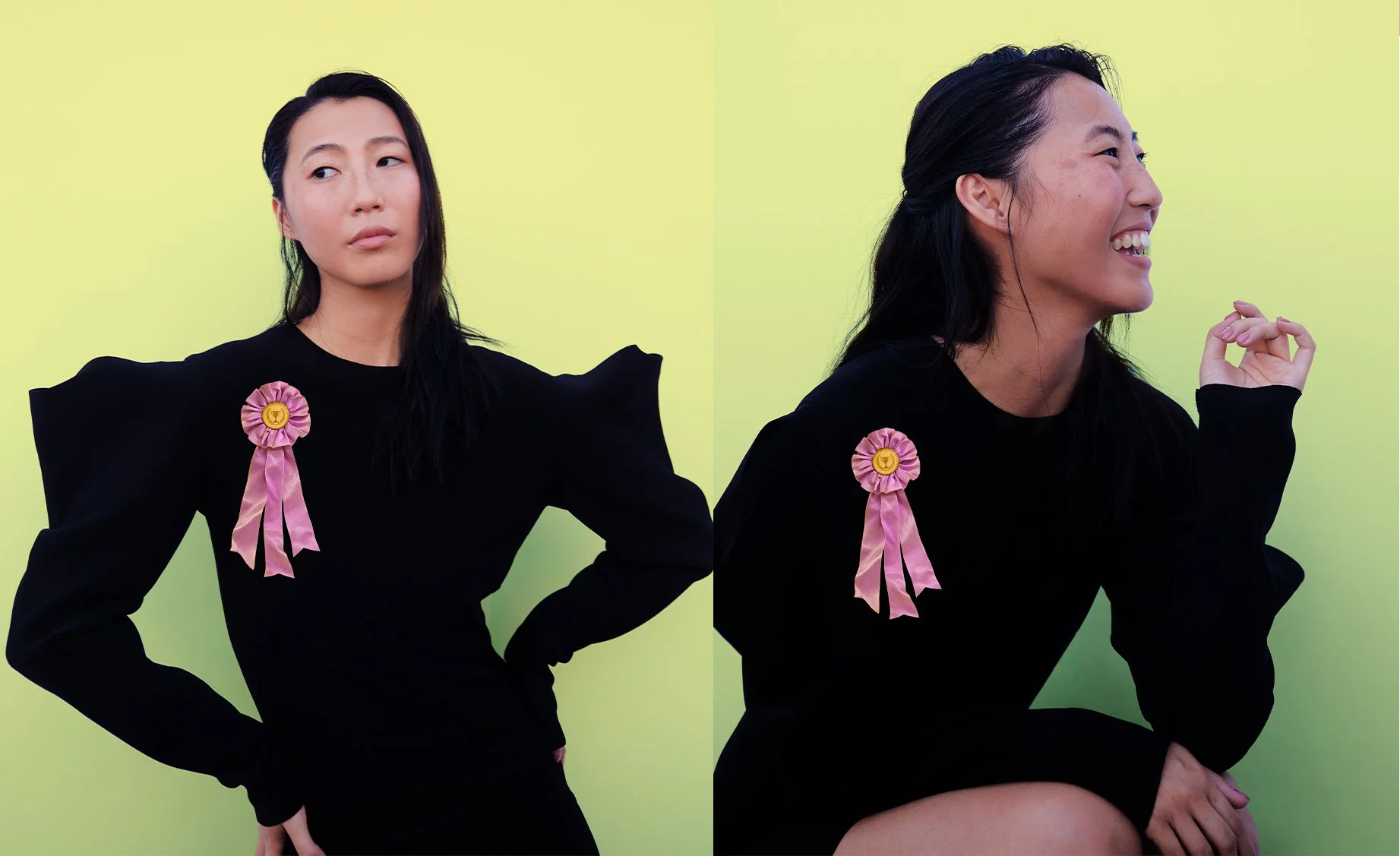
Dress: Norma Kamali, Ribbon: Vintage
When I ask whether she makes friends easily, she tells me that someone recently remarked on how quickly she gets along with people. Shirley hadn't necessarily thought of herself that way, though she's pleased to hear it. "I always try to find something to connect with people on," she says. "I think life feels better when you feel like you're in community with people because I think everybody just wants to feel like they belong and they're seen." This is the attentiveness I picked up on.
She speaks of her closest friends as soulmates, and they have a name for themselves: Shirley Hive.
I laugh, and she does too. Of course they do.
In The Body, Shirley plays Maddie, a sensitive, deeply earnest member of a teenage friend group whose devotion to one another becomes entangled with something considerably more sinister. The girls are searching for answers, for meaning, for somewhere to belong. Their friendships offer comfort, but also become the source of considerable confusion and pain. There is, as there often is in adolescence, an awful lot of feelings going around.
Maddie has plenty of it. She's emotional, a true believer, and fiercely loyal to her friends, though I was especially taken by how willing she is to stand up for herself and the people she loves. There's a scene in which she confronts Father Franklin played by Nnamdi Asomugha over the way he spoke to her, and another in which she calls out a friend for mistreating Grace. They aren't grand declarations, but small acts of conviction that distinguish Maddie from the rest of the group.
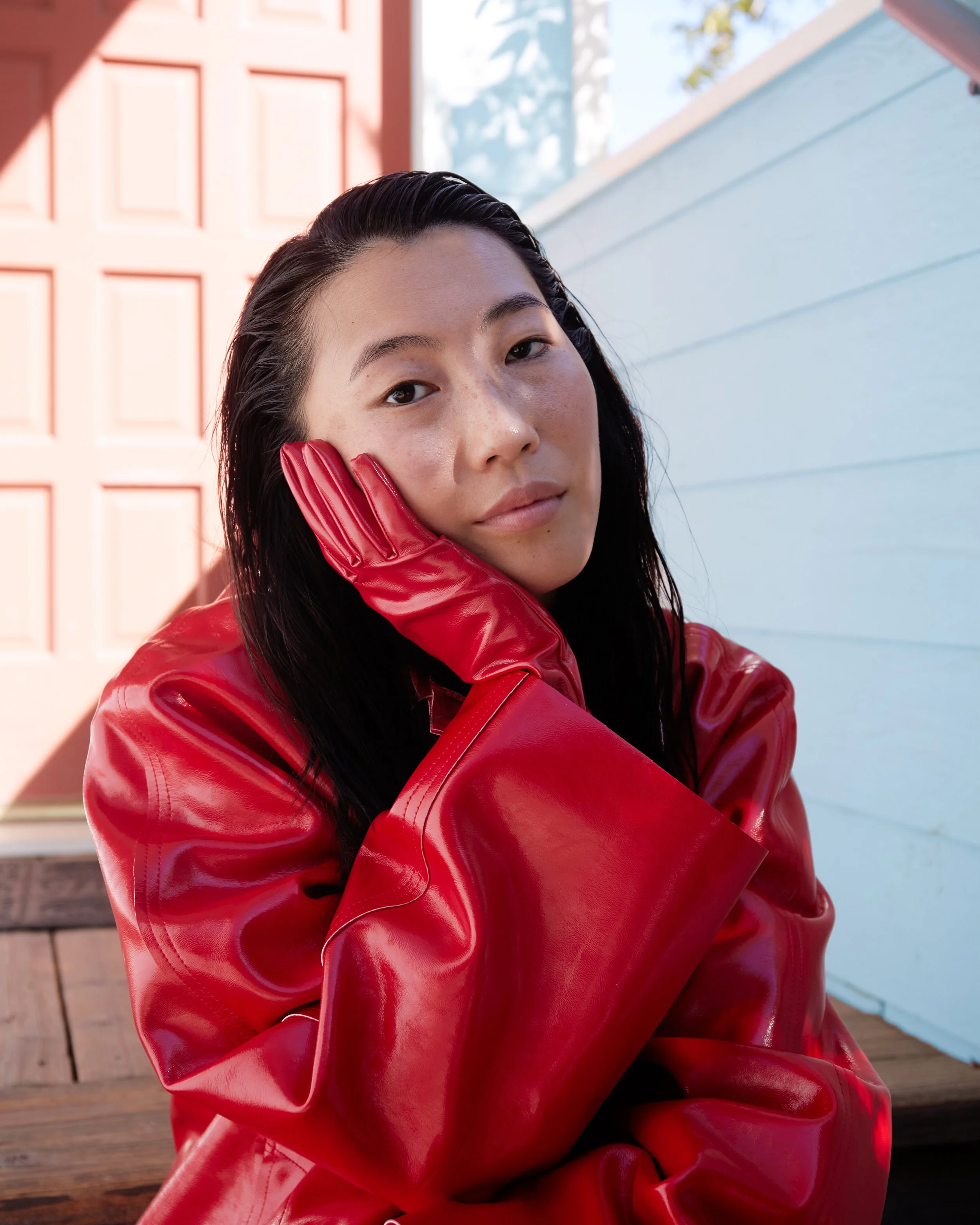
Full Look: Norma Kamali
“I think everybody just wants to feel like they belong and they’re seen.”
Shirley lights up when I bring this up. "I'm feeling so seen by you saying that," she tells me, before explaining that the confrontation with Father Franklin grew partly out of an improvisation encouraged by creator Quinn Shephard. She'd decided Maddie was going to speak her mind, peanut butter cookies and all (iykyk).
What Shirley admires about Maddie is precisely what others might misunderstand about her. Her sensitivity is sometimes mistaken for fragility, when in fact, she possesses a rather firm understanding of what matters to her. The same can be said about the characters surrounding her in the series.
"I don't think that having emotions and caring deeply about people means that someone is weak," Shirley says. "I think it's very strong and it means that you're open to feeling, which is an incredibly brave thing."
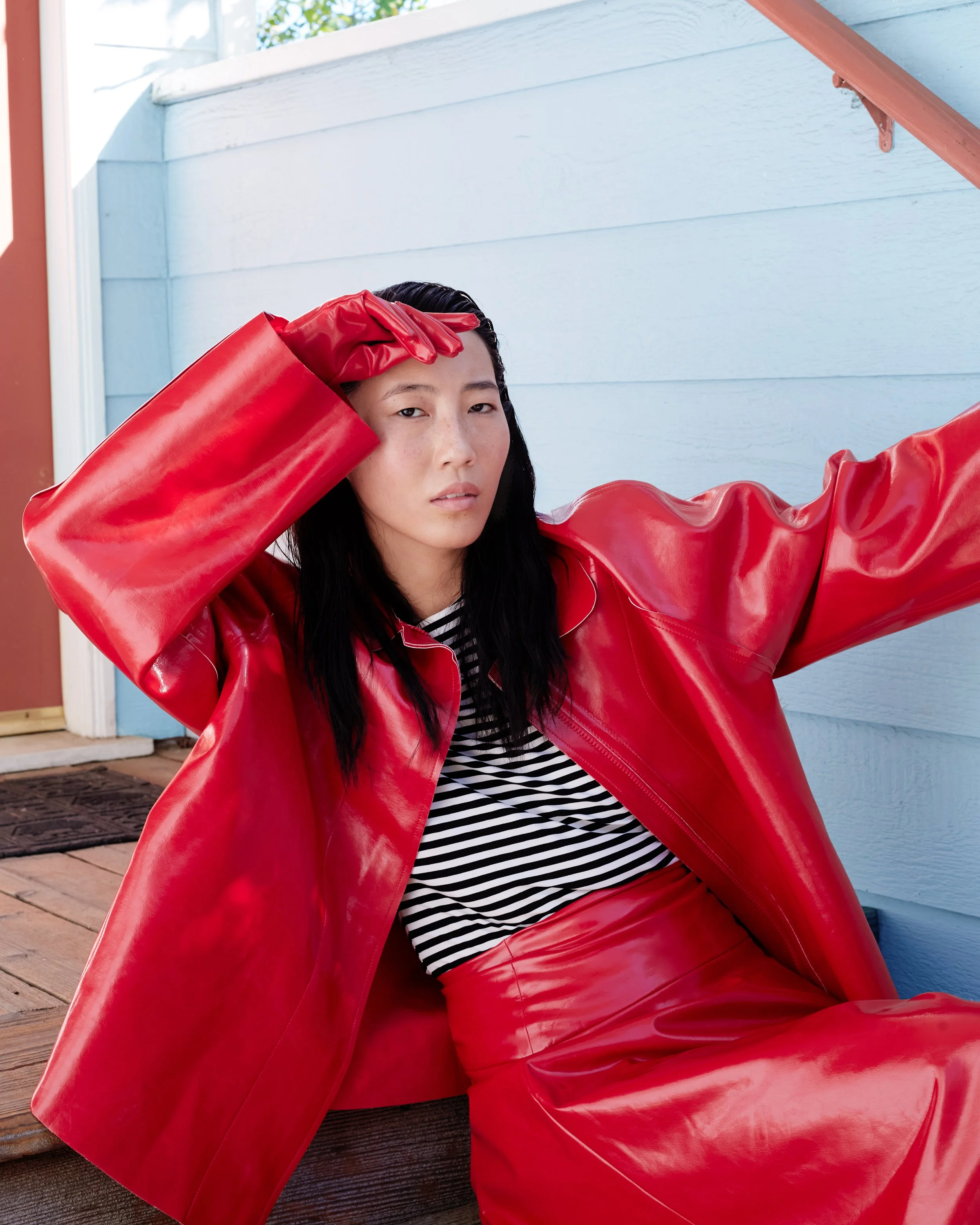
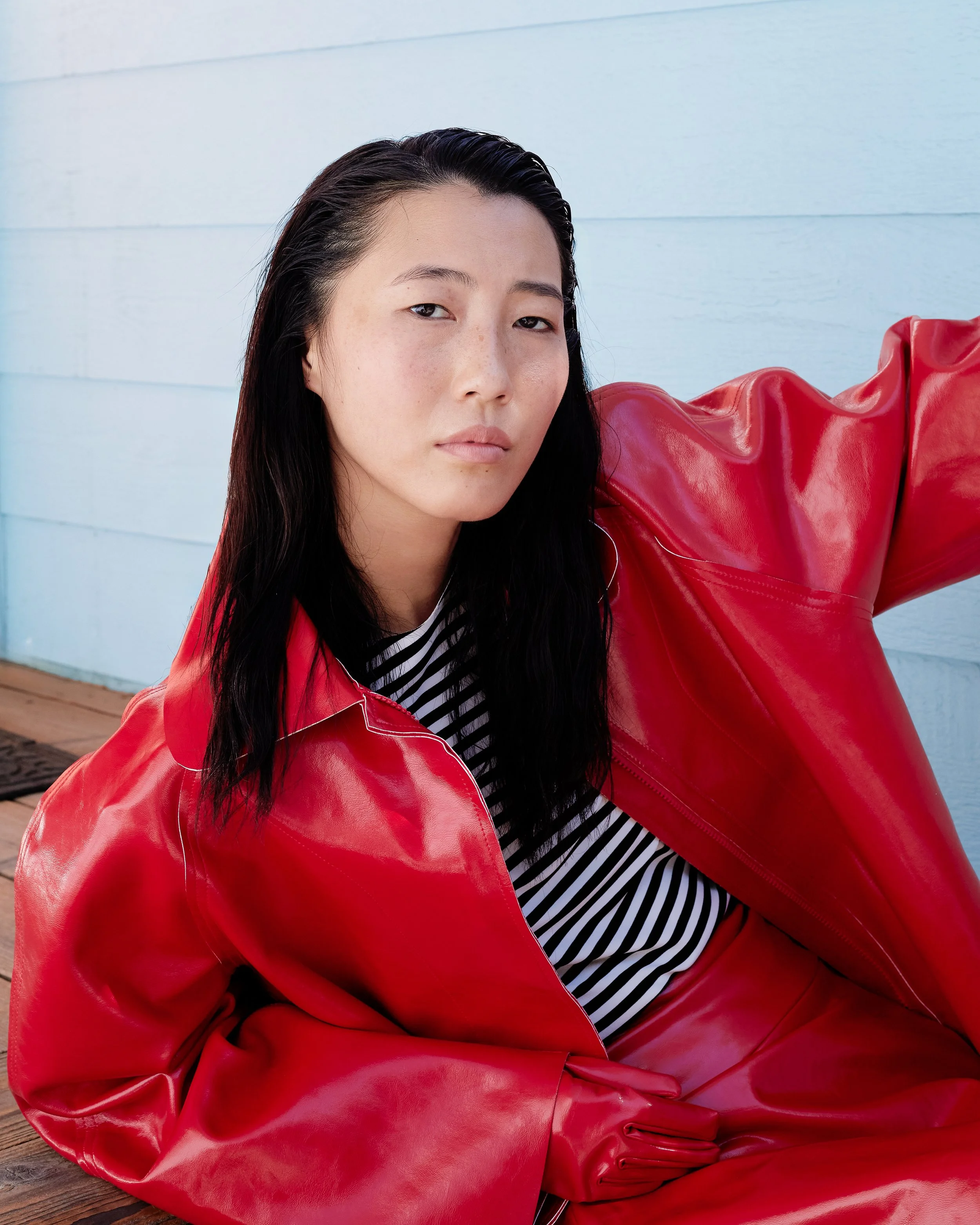
I found myself thinking about that long after our conversation. Perhaps because Shirley seems to embody the same belief. She's expressive and wonderfully earnest, and as we talk, she's unafraid of becoming emotional. There is no apparent embarrassment in caring about something, or someone, a great deal. There’s a softness about her that I admire.
She tells me that growing up, she was a shy child, frightened of strangers and somewhat sheltered by a family that included a brother eight years her senior. She jokes that it sometimes felt like having three parents. Acting classes helped bring her out of her shell, introducing her to games, other children, and eventually the realization that life can be fun.
By high school, the formerly timid girl had become a self-described "very extroverted, quirky, very do-gooder theater kid." She attended an arts school where thrift shopping, discovering new music, and enthusiastically pursuing your interests were practically encouraged. She auditioned for plays and short films, surrounded by other young people who were just as invested in making things as she was.
She was even crowned prom queen of the theater department.
"The prom queen of the theater nerds," she clarifies, laughing.
It's a distinction she seems rather proud of.
Looking back, however, she's also tender toward that younger version of herself. She remembers trying terribly hard at everything, eager to prove herself and certain that enough effort could make just about anything happen. While playing a younger version of Sandra Oh in an earlier project, she learned that the actress had encouraged those around her to tell Shirley she could relax a little. At the time, she was mortified. Now, she understands the advice as something closer to recognition than criticism.
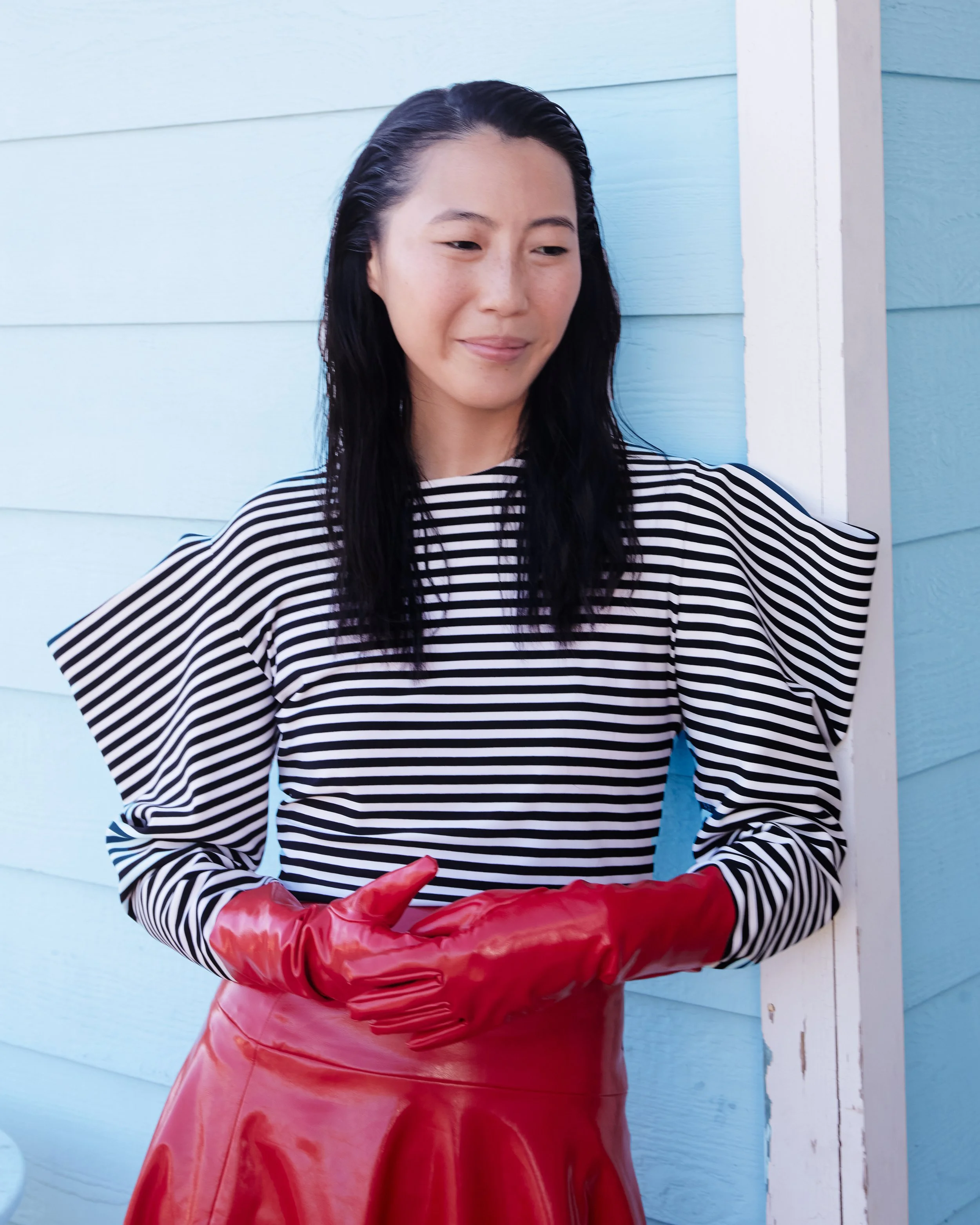
Full Look: Norma Kamali
"I think back then I maybe tried so hard at the things I loved," she reflects.
When I ask what she put the most faith in at that age, her answer is immediate: hard work. She believed that if she worked hard enough, and became good enough at what she loved, things would work out. It was a useful philosophy, until it wasn't.
"As I've gotten older, you really realize that sometimes things don't work out," she says. "And you can put your heart and your soul into things and it just doesn't pan out the way you planned."
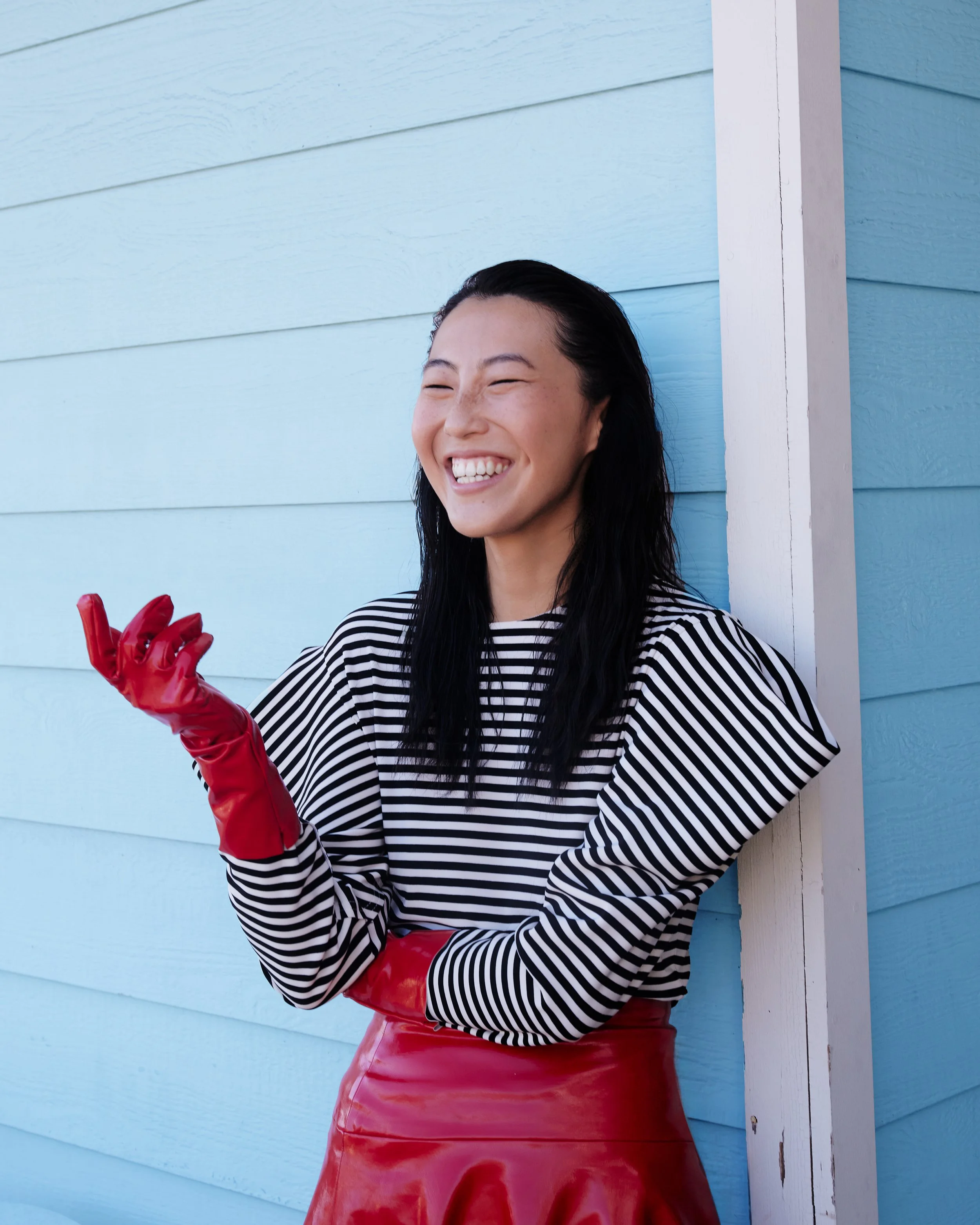
Full Look: Norma Kamali
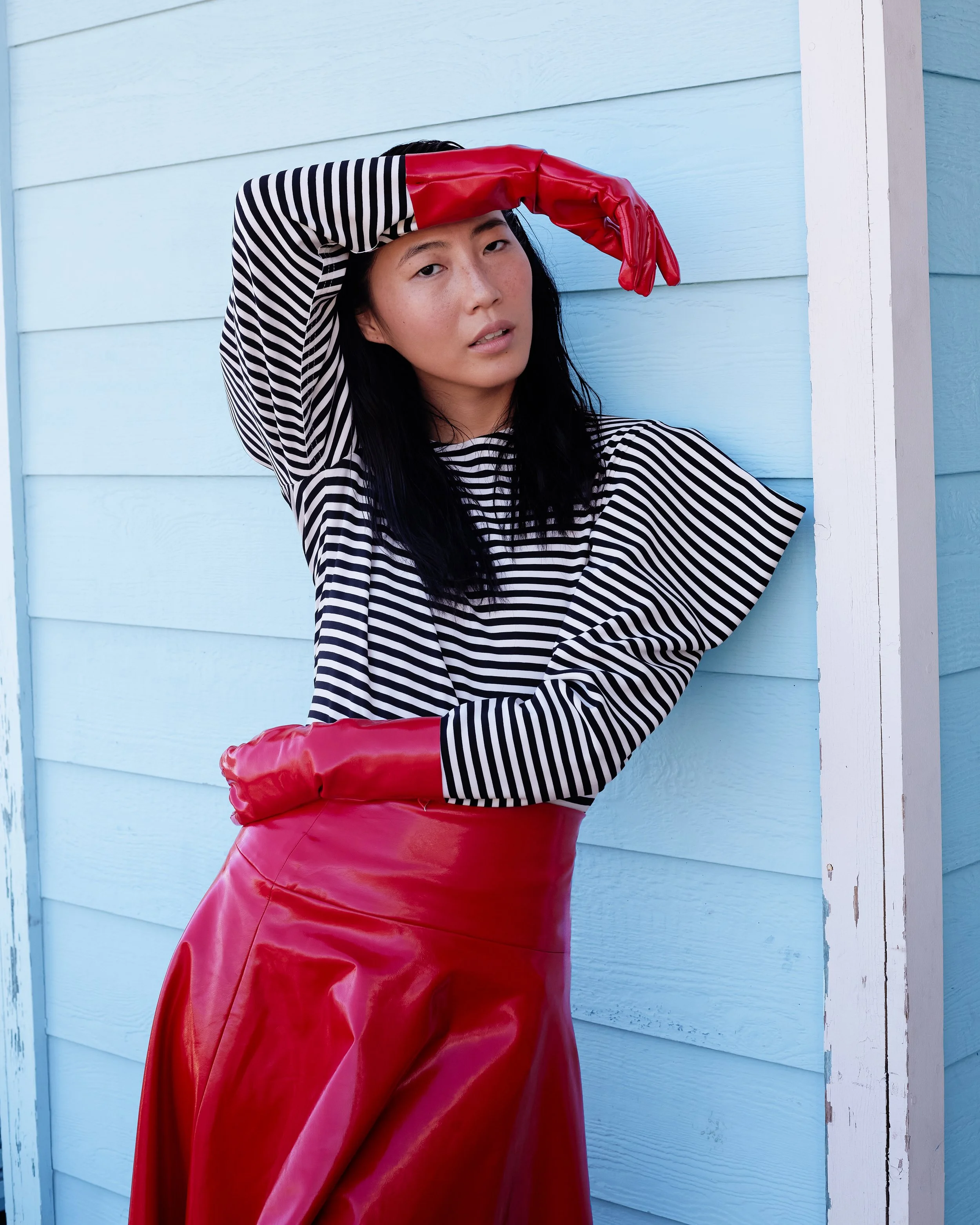
Full Look: Norma Kamali
She's learned to accept life's inevitable fluctuations, which she illustrates by recalling a celestial navigation class she took at Harvard to satisfy a mathematics requirement. She had absolutely no intention of taking a conventional math class, thank you very much, but emerged from celestial navigation with a fascination for sine curves and the recurring movements of the natural world. Life, she realizes, operates similarly. There are highs and lows, and neither lasts forever.
The road to Harvard was itself a bit unexpected. Shirley had already been admitted early to Stanford, her dream school, when her mother encouraged her to apply elsewhere. Harvard ultimately offered the better financial aid package, along with the opportunity to explore an arts community and a coast she hadn't imagined calling home. She studied theater alongside history and literature, pursuing an interest in Asian American studies.
I tell her that going to Harvard feels particularly appropriate for someone appearing in American Studies, and she laughs.
What she valued most about the experience, beyond the education itself, was a certain freedom to keep discovering who she was.
During college, she became determined to learn to skateboard. She'd skate around Harvard wearing little space buns in her hair. She took up martial arts, learned to sew, and began making clothes with friends. Years later when she lived in New York, she'd sometimes dress as characters she was auditioning for and wander around SoHo, getting accustomed to inhabiting identities she might otherwise have felt uncomfortable trying on.
There was a purpose to these experiments. She wanted to challenge her own assumptions about what kind of person she could be.
"The only person questioning those things is you," she says of the self-consciousness that can accompany trying something new. Most strangers, she discovered, weren't paying nearly as much attention as she'd imagined.
“Life is a sine curve.”
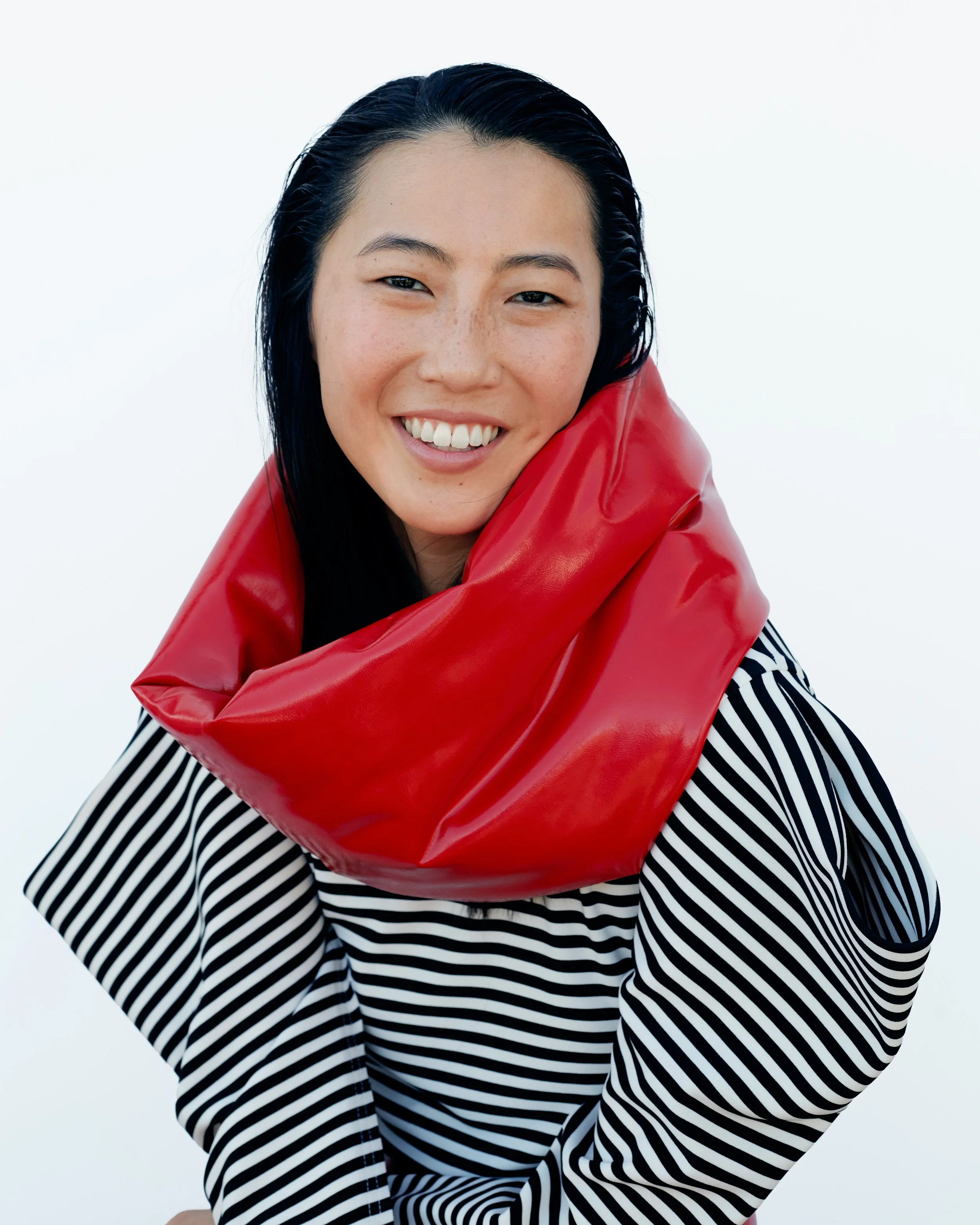
Full Look: Norma Kamali
It's a funny thing to hear from an actress whose profession involves becoming other people. But Shirley is interested in understanding herself just as much as the characters she plays. In fact, she doesn't appear to make much of a distinction between the two pursuits.
"I just really feel like there's no other way I can understand life and people," she says of art.
It's a sentiment I share. Art, at its best, gives us access to experiences beyond our own. It helps us better understand people we might never meet and, sometimes, recognize something in ourselves we hadn't quite found the words for.
For Shirley, that curiosity extends well beyond a script. During production of The Body, she began attending Catholic Mass to better understand Maddie's religious convictions. Having not grown up religious herself, she wanted to experience what belief might feel like from the inside. She attended Latin Mass, sometimes on her days off, recognizing familiar faces among the congregation as the months went by. Though she couldn't understand the language, she understood something of the feeling.
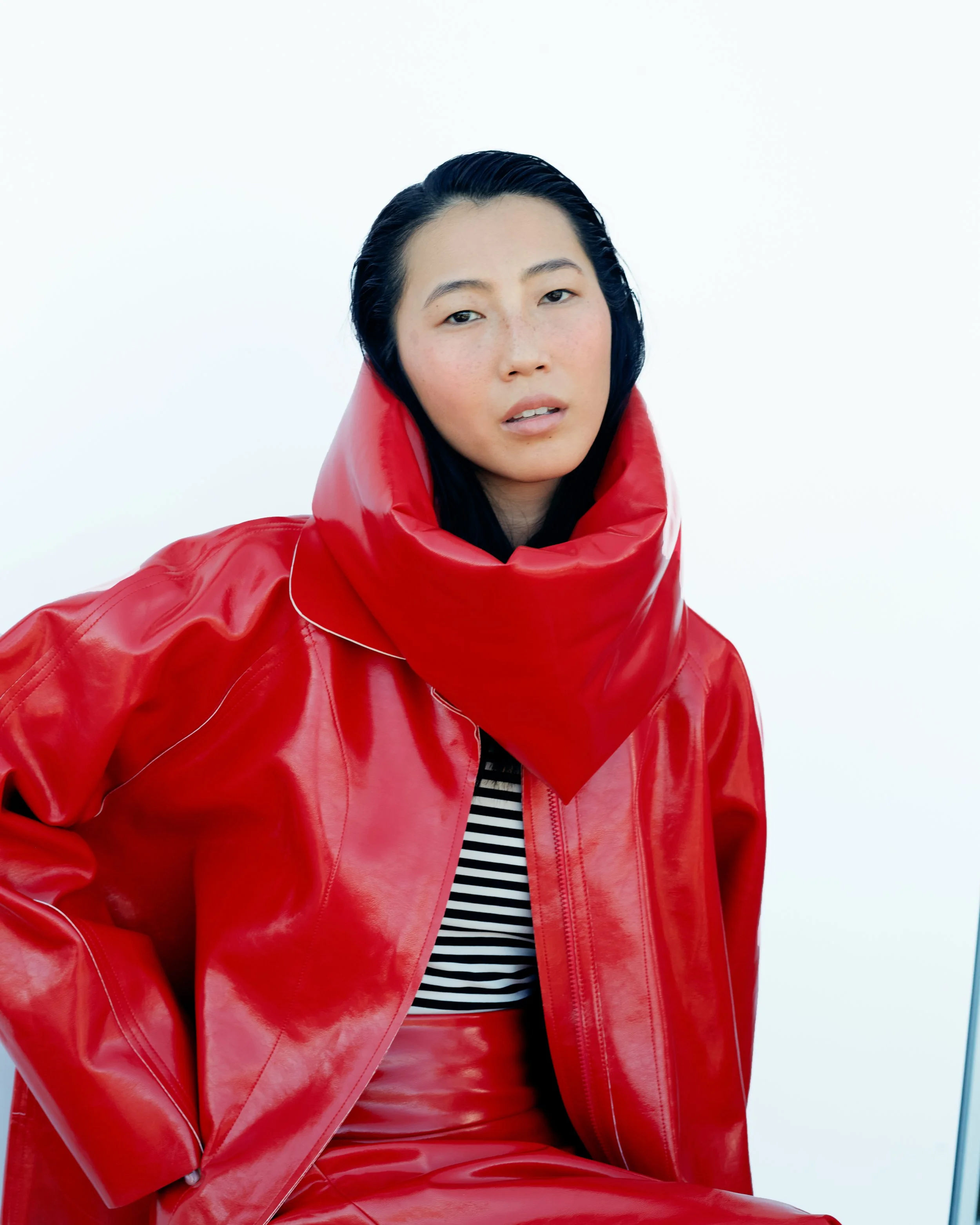
She also memorized the Hail Mary, occasionally whispering it during scenes, including one of the show's rituals. It's an extraordinary little detail, the kind of preparation an audience may never consciously notice but which gives a performance its internal life.
I grew up going to Mass, so I understood something of what she was describing. And I loved that she'd gone to those lengths, not because the production necessarily required it, but because she was curious. It’s a tell-tell sign of how she moves through the world and the effort she puts into her work.
It's perhaps why Maddie's unwavering belief never seemed particularly far-fetched to her. Shirley describes herself as an earnest person, someone who sometimes forgets that people lie. Maddie's willingness to believe what she's told, especially when it offers the promise of love or acceptance, felt emotionally logical to her.
At one point, I ask where she feels she is in the process of getting to know herself. It's a question I return to often, because I don't believe we ever entirely finish the job. We grow, discover new things, find ourselves in unfamiliar circumstances, and occasionally surprise ourselves with how we respond.
Shirley thinks about it for a moment.
She's been asking herself how to remain kind, honest, and authentically herself while navigating an industry that often expects people to present a carefully considered version of who they are. How can she be open without giving away more than she wants to? How can she remain herself in environments that might prefer something else?
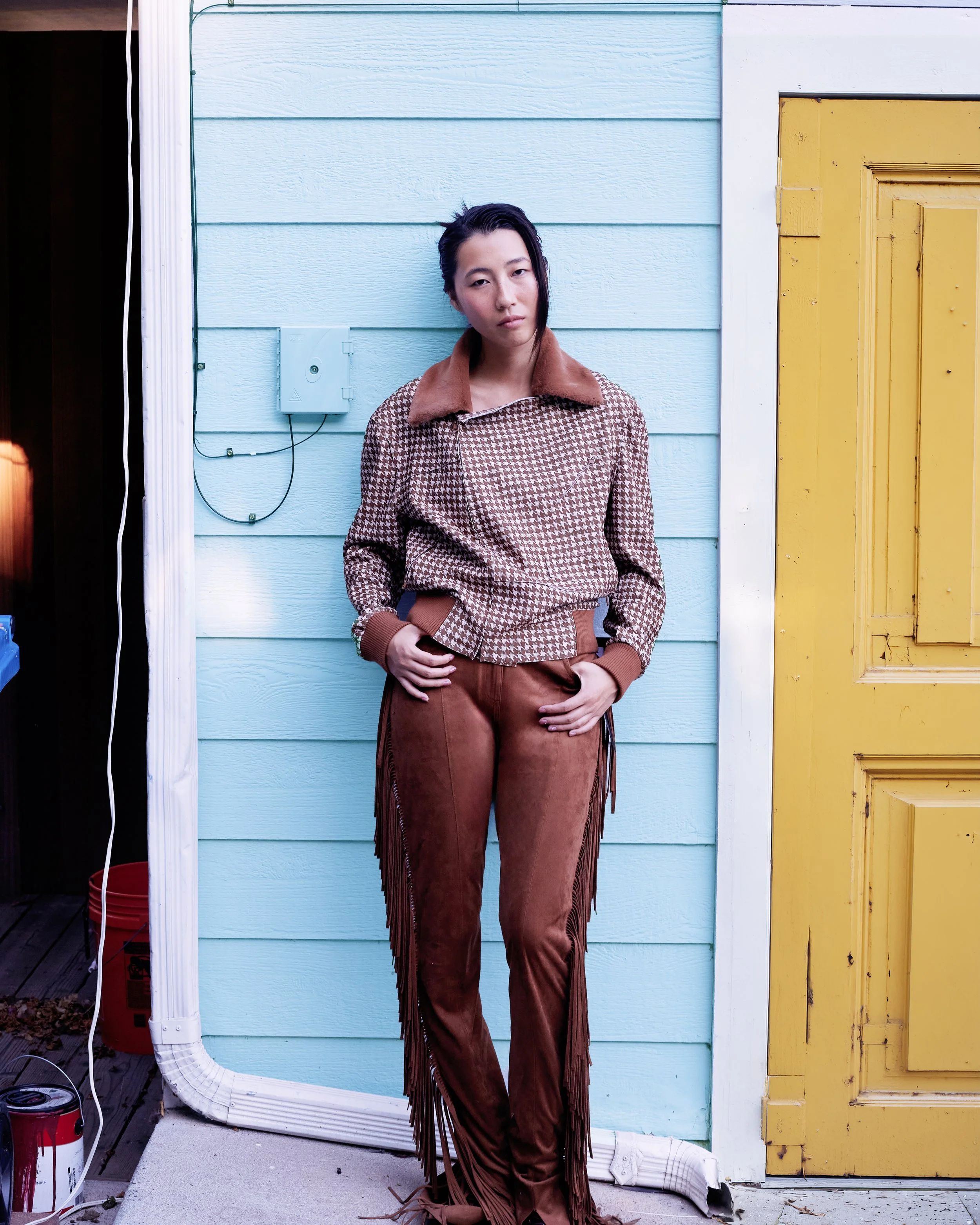
Full Look: Norma Kamali
It's a question made especially relevant by the attention surrounding The Body, and one she's still working through.
She tells me about Brenda Song, an actress she admires enormously and a friend has come to rely on for advice. What moves Shirley most about Brenda isn't simply her career, though she could happily go on about that, too. It's how generously she shares what she's learned, making success seem possible rather than impossibly distant.
Brenda, she says, has encouraged her to protect the qualities that make her who she is. As Shirley remembers that advice, her voice becomes emotional.
"The right path is my own," she says.
It's one of those thoughts that sounds simple enough until you consider how much life it can take to arrive there. When she’s doubting herself Brenda reminds her; “You’re Shirley fucking Chen.” I giggle at this.
“Sometimes love might not work out, a relationship might not work out, but it’s so worth it just to feel.”
I realize that Shirley doesn't pretend to have everything figured out. She's still questioning, still learning, and still trying to find her way. There's something refreshing about hearing someone speak so openly about that uncertainty, particularly at a moment when her career is introducing her to an entirely new audience.
What she does seem certain about is the importance of the people who have accompanied her along the way.
While filming The Body in Toronto, Shirley was visited by family and friends, including a former roommate who arrived during the production of an especially emotional scene in episode six. The friend had lived with Shirley in New York during a period when she was seriously questioning whether she wanted to continue acting. Now, there she was, watching Shirley perform on a Netflix series.
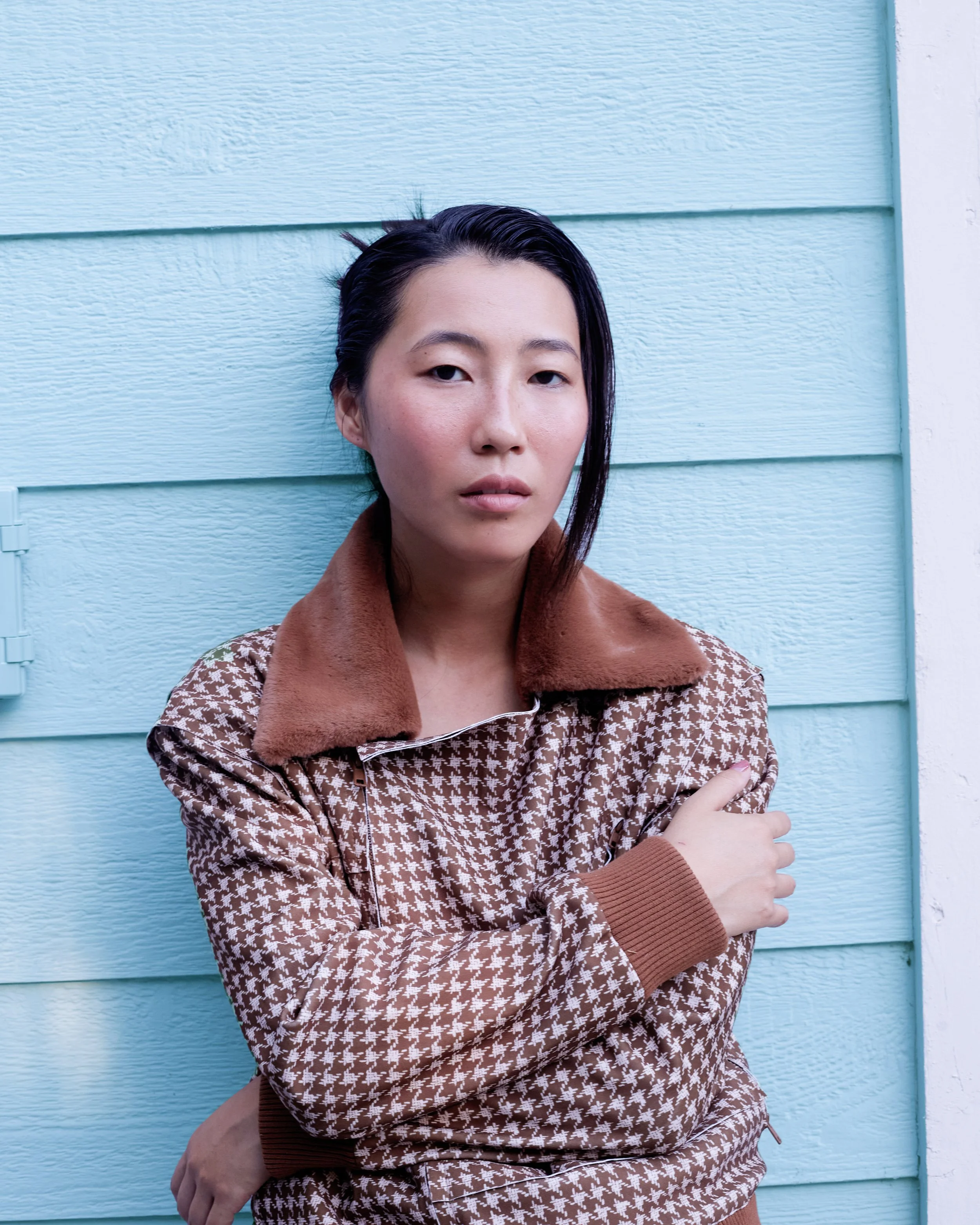
Full Look: Norma Kamali
The coincidence wasn't lost on Shirley.
"It really feels like it's a love letter to best friends," she says, remembering the experience.
She speaks at length about how meaningful it was to have someone there who'd known her fears and doubts, someone who could appreciate the distance she'd traveled. Listening to her, I was reminded that so much of growing up happens in the company of other people. They remember versions of ourselves we've nearly forgotten. Sometimes they can see our progress more clearly than we can. It’s special, and a byproduct of having long-lasting friendships.
Another memory takes her back to high school, when her friend Sam unexpectedly flew home from college to watch her perform in Peter and the Starcatcher. It was Shirley's first opportunity to play a leading lady, and the play's themes of growing up and leaving childhood behind were particularly poignant for a cast of seniors preparing to go their separate ways.
She has never forgotten that her friend showed up.
"Just your friend supporting something that was meaningful to you is always the best," she says.
For all the ambitions Shirley has pursued, it's these gestures she returns to most affectionately.
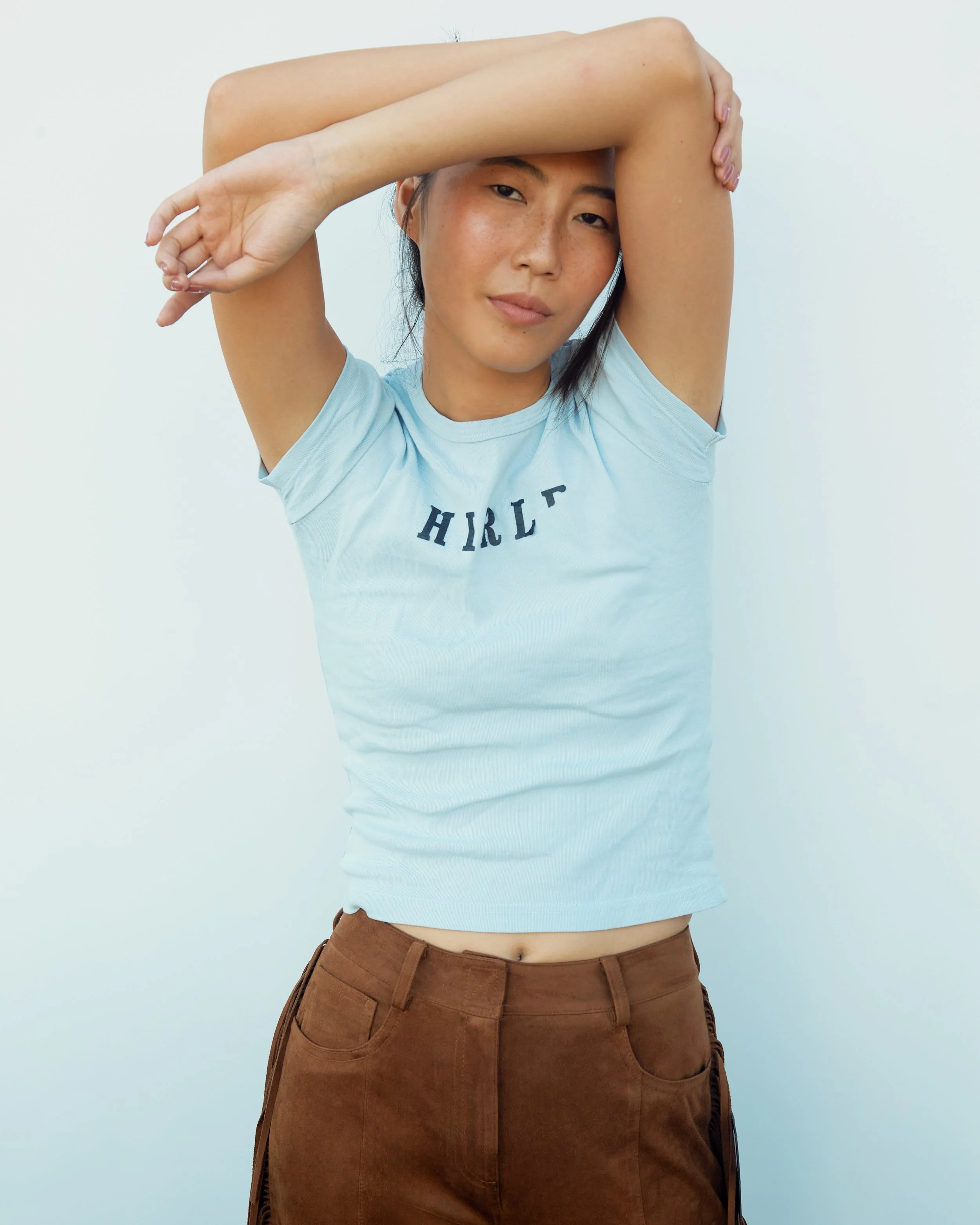
Top: Talent’s own, Pants: Norma Kamali
When I ask what song she's been listening to lately, she opens Spotify to investigate, eventually settling on Troye Sivan's "Embarrassingly." She'd fallen in love with the song's nostalgic sound, playing it while driving through Los Angeles as the trees began turning orange. To her, it was a tender meditation on the beauty of loving someone, even when things don't work out.
She'd even been telling her friends how moving she found it.
Then she looked into what the song was actually about.
Masturbation.
Shirley bursts into laughter recounting the discovery, slightly scandalized by the distance between her interpretation and Sivan's intentions. But she's undeterred. The song still makes her feel the same way. She still loves it.
That's art for you, I tell her.
Later, she admits that despite everything she's accomplished, she still cries when playing social-deception games with her roommates. Mafia, Werewolf, anything requiring a convincing poker face. She simply cannot bear being accused of lying, even when it's part of the game.
"I really thought I would grow out of this," she says, laughing.
I find this particularly endearing given her earlier admission that she sometimes forgets people lie in the first place.
When she's not acting, Shirley's got a slew of hobbies she that keep her busy. She also loves, to no surprise, to spend time with her dogs and family. She speaks proudly about having a hand in helping her mother buy a house and return to dental school. She once worked as a college counselor, helping young students navigate an admissions process she remembers all too well. Many of them were artistic young women who reminded her of herself.
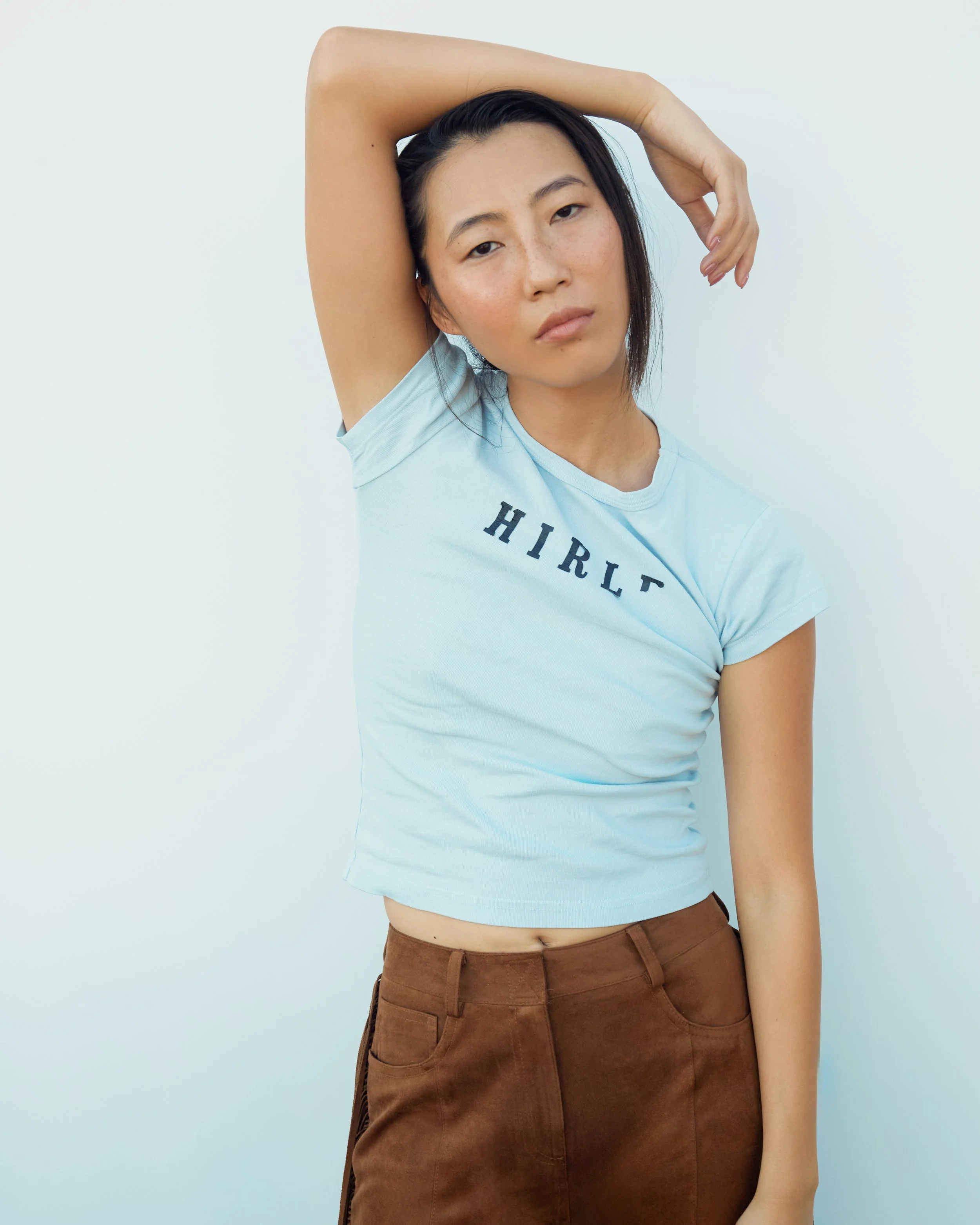
Top: Talent’s own, Pants: Norma Kamali
These are the things that make her feel useful, connected, and most like herself. And they seem every bit as important to her as the work that's now bringing her recognition.
As our conversation comes to an end, I ask Shirley to tell me something she's learned recently. Anything at all. It's a question I particularly enjoy asking because the answers rarely go where I expect them to.
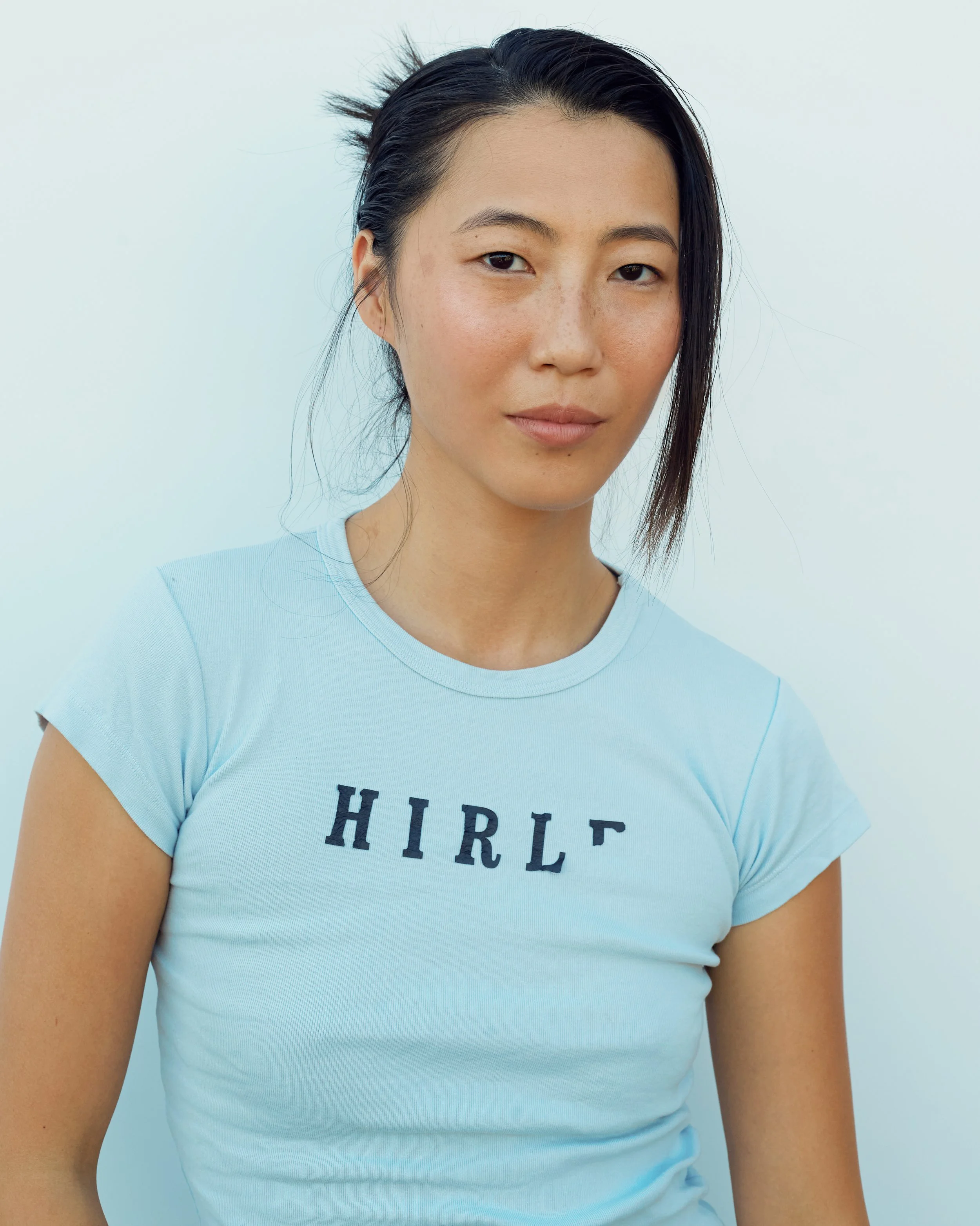
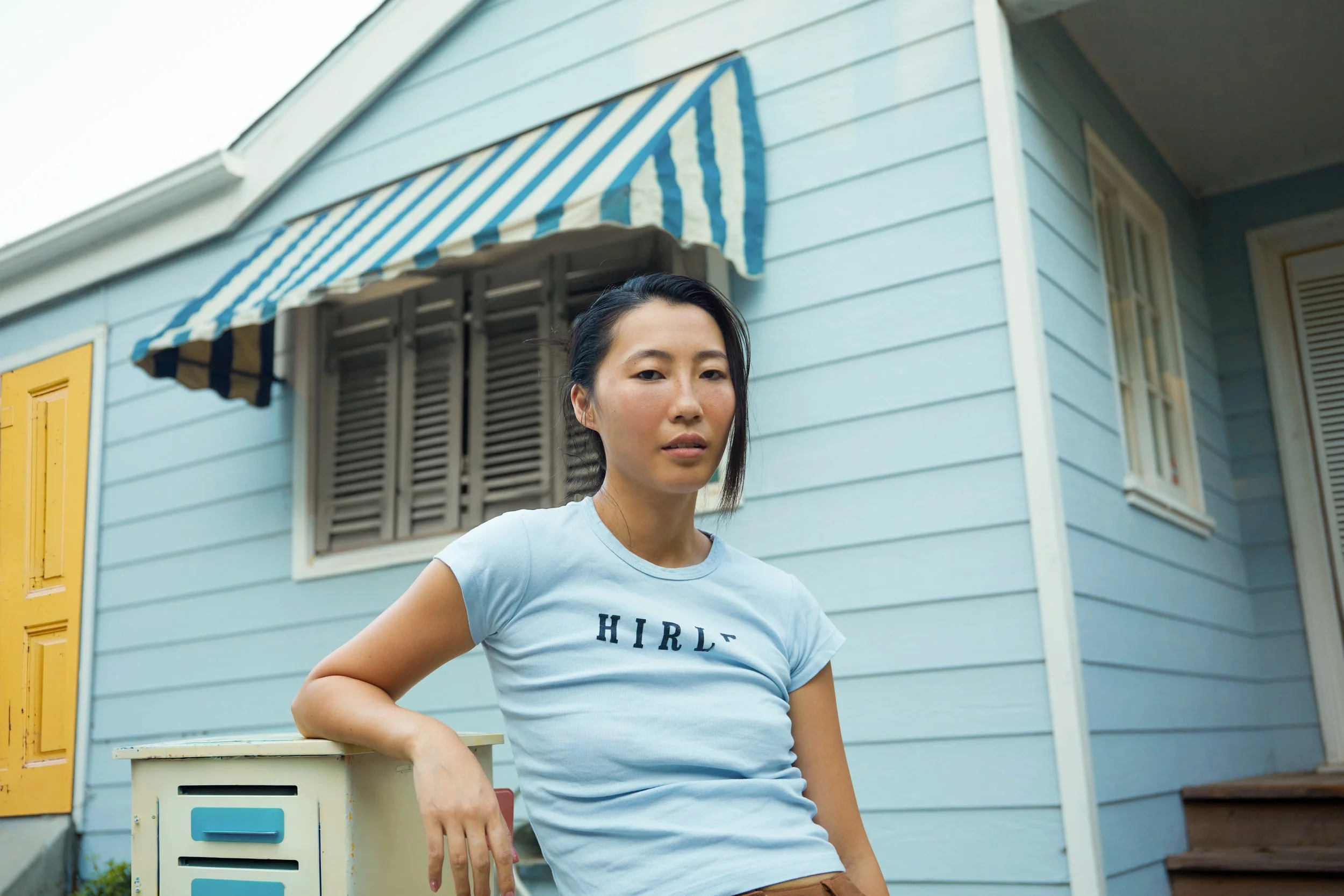
Yesterday, she tells me, was her brother's birthday, and she'd learned how to make Thai green papaya salad, one of his favorite dishes. She'd bought ingredients so they could make it together.
Through the process she'd also learned something rather disturbing about the relationship between figs and wasps, though she isn't entirely certain of its scientific accuracy.
"I know factually I did learn how to make a papaya salad," she assures me. Whether figs contain dead wasps, however, remains a matter of some concern.
I'm laughing again.
By the time we say goodbye, we've been on the telephone for nearly an hour. We'd talked about art and faith, friendship and ambition, childhood and what it sometimes looks like to be an adult. We'd discussed Brenda Song, Troye Sivan, celestial navigation, Catholic Mass, and the possible contents of a fig. Shirley had laughed often, become emotional more than once, and shared considerably more of herself than either of us could have managed in that first ten-minute meeting.
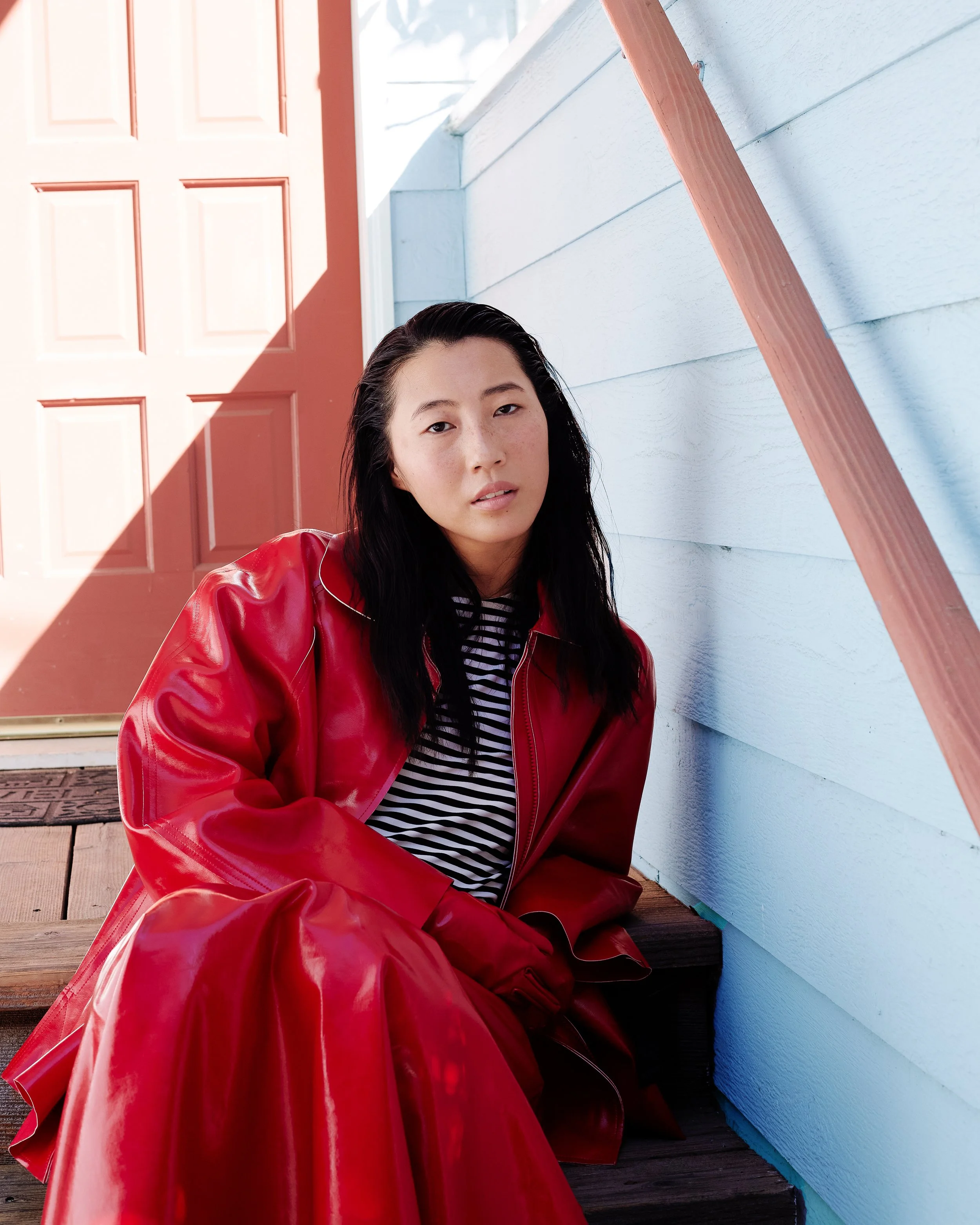
Full Look: Norma Kamali
I think about the photo shoot again, and those moments when the camera went unused because conversation had gotten the better of us. What I'd sensed then, and what our phone call confirmed, was that Shirley is someone who brings a great deal of herself to whatever she's doing. She's curious about people—like me. Eager to understand them, and not particularly interested in pretending she doesn't care.
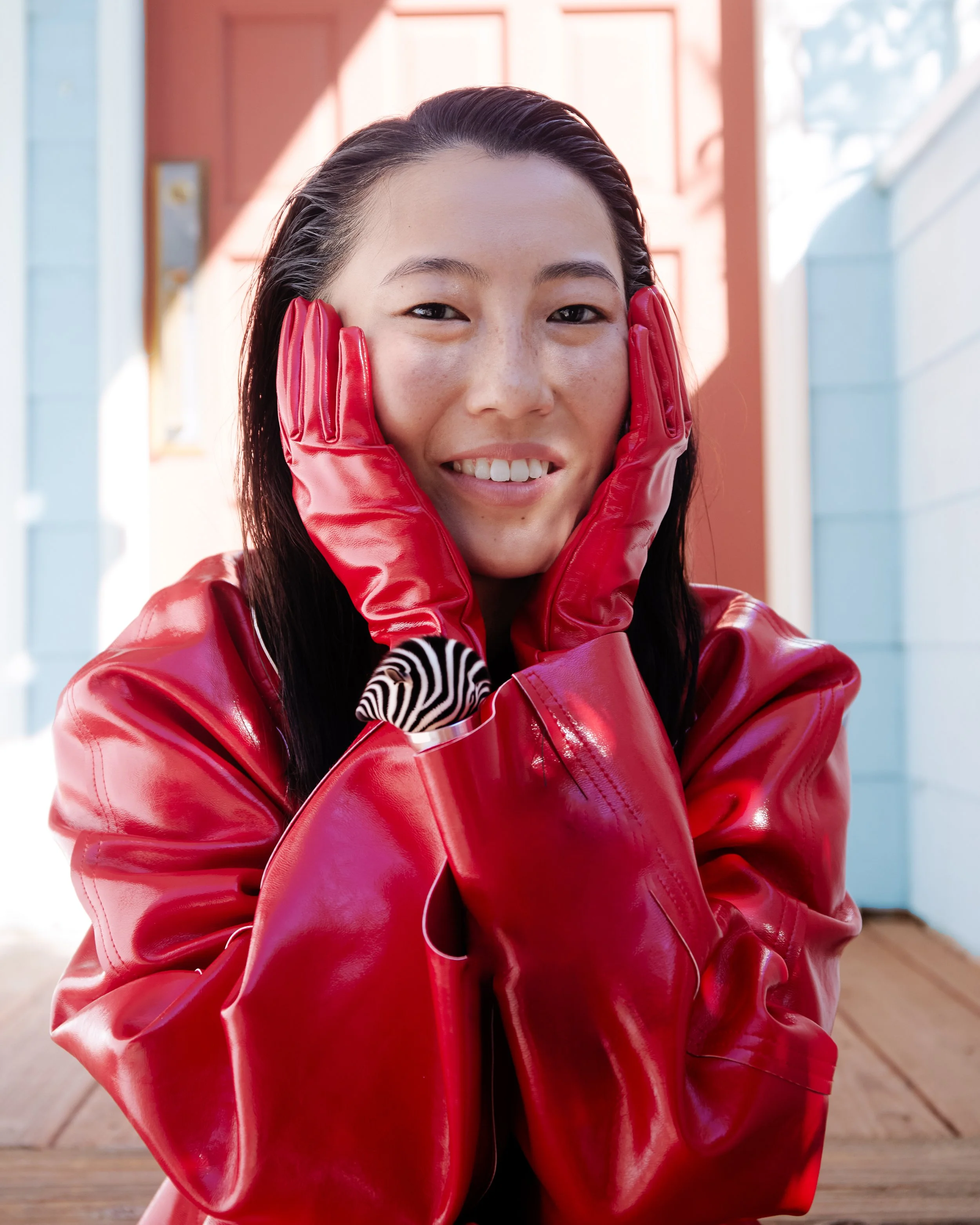
Full Look: Norma Kamali
Sometime during our call she told me that there is still plenty she doesn't know about the person she's becoming. It's my opinion that she seems to be having a good time finding out.
And I—for one—am glad we got to know her a little better.
This interview has been edited and condensed